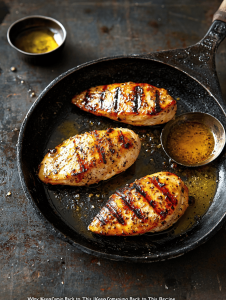
Chicken breasts can be so boring if you stick to the same old grilled or baked routine. I like to think of them as a blank canvas—an opportunity to layer in bold flavors and textures. This recipe is about pushing that boundary with a quick marinade and a hot sear that caramelizes the surface, locking in juiciness.
Why I Keep Coming Back to This Recipe
It’s simple enough for a weekday, yet feels special. The way the lemon and garlic meld into the smoky crust—each bite is a little burst of comfort and brightness. Plus, it’s forgiving, flexible, and always turns out juicy when I follow these steps. That moment when I slice into it and the juices glisten—nothing beats that.
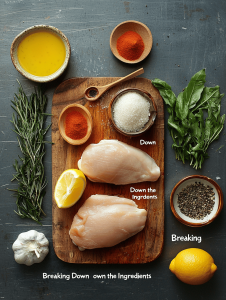
Breaking Down the Ingredients
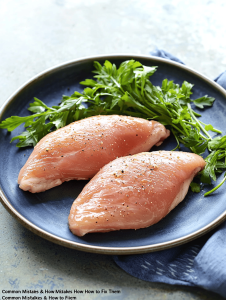
- Chicken breast: Lean, tender, a blank slate for flavors—choose fresh, organic if possible.
- Lemon juice: Brightens and tenderizes—swap with lime for a different citrus punch.
- Garlic: Adds smoky, pungent notes—roast slightly for a sweeter depth.
- Smoked paprika: Gives a subtle smoky earthiness—use regular paprika if you’re out.
- Olive oil: Helps sear evenly—go for good-quality extra virgin for richer flavor.
- Salt & pepper: Fundamental seasoning—adjust to your taste, don’t skip.
- Optional herbs (thyme, rosemary): Fresh herbs elevate the aroma—add at the marinade stage or garnish.
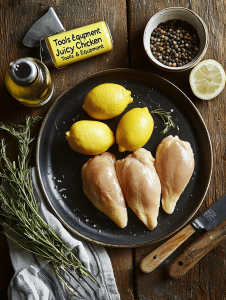
Tools & Equipment for Juicy Chicken
- Cast-iron skillet: Provides even heat and great sear, essential for that crispy crust.
- Meat thermometer: Ensures precise doneness without overcooking.
- Tongs: Turns the chicken gently and evenly.
- Aluminum foil: Rest the meat and keep it warm.
Step-by-Step Guide to Perfectly Juicy, Flavorful Chicken Breast
Step 1: Start with a fresh, organic chicken breast; the quality makes all the difference in tenderness.
Step 2: Marinate it in a mixture of lemon juice, garlic, and a dash of smoked paprika for at least 30 minutes.
Step 3: Heat a cast-iron skillet over medium-high heat until it’s just starting to shimmer, about 2 minutes.
Step 4: Sear the chicken for 4-5 minutes per side, until a deep golden crust forms and it releases easily from the pan.
Step 5: Use a meat thermometer to check for 75°C (165°F) in the thickest part of the breast.
Step 6: Let it rest for 5 minutes off the heat, loosely tented with foil, to lock in juices.
Step 7: Slice against the grain and serve with a drizzle of the pan juices for maximum flavor.
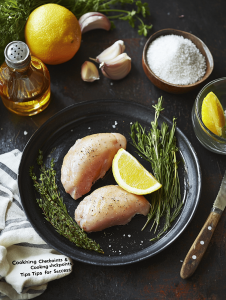
Cooking Checkpoints & Tips for Success
- Look for a rich, golden crust forming before flipping.
- Use a thermometer, don’t guess—75°C (165°F) is the safe, juicy zone.
- The chicken should jiggle slightly in the center when done; avoid overcooking.
- Rest the meat properly to keep it moist and flavorful.
Common Mistakes & How to Fix Them
- Cooking without checking internal temperature.? Use a meat thermometer instead of guessing; avoid rubbery or dry results.
- Crowding causing the chicken to stew instead of sear.? Don’t overcrowd the pan; cook in batches if needed to avoid steaming.
- Cutting into it immediately, losing juices.? Let the chicken rest for at least 5 minutes.
- Searing at too low a temperature, resulting in pale, soggy crust.? Ensure your pan is hot before adding the chicken.
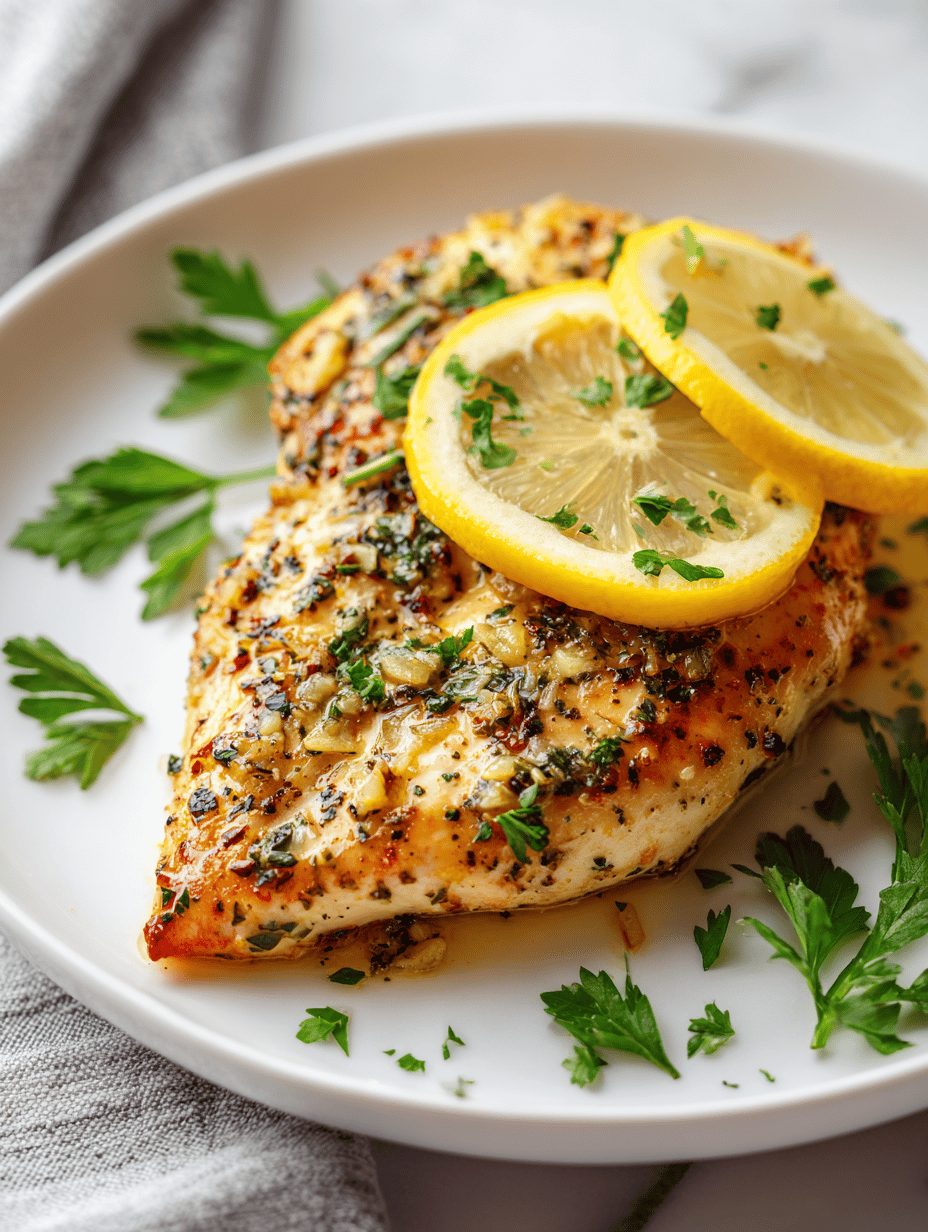
Garlic Lemon Chicken Breast
Ingredients
Equipment
Method
- Place the chicken breasts in a shallow dish and pour over the lemon juice, minced garlic, smoked paprika, and a drizzle of olive oil. Season with salt and pepper, then toss to coat evenly. Let marinate for at least 30 minutes to infuse flavor and tenderize.
- Heat the cast-iron skillet over medium-high heat until it shimmers and you can hear a gentle sizzle. Add a splash of olive oil and swirl to coat the pan evenly.
- Remove the chicken from the marinade, letting excess drip off, and carefully place it into the hot skillet. Sear for about 4-5 minutes without moving, until the surface develops a deep golden crust and releases easily from the pan.
- Flip the chicken using tongs and cook for another 4-5 minutes, maintaining a steady sizzle. The crust should be crispy and deep golden, with the chicken feeling firm yet slightly springy when pressed.
- Insert a meat thermometer into the thickest part of a breast to check for 75°C (165°F). Once reached, remove the chicken from the skillet and transfer to a plate.
- Tent the chicken loosely with aluminum foil and let it rest for 5 minutes. This step allows the juices to redistribute, keeping the meat moist and flavorful.
- Slice the chicken against the grain into thick strips or rounds, and arrange on a plate. Drizzle with any pan juices and garnish with fresh herbs if desired for a bright, aromatic finish.

Hello, I’m Oliver James, the person behind Melting Into Flavors. Cooking is my greatest passion, and it’s been the driving force in my life for as long as I can remember.
It’s not just about food for me; it’s about creating experiences, connecting with others, and sharing the love I have for what’s on the plate. Through this blog and my café, I’m able to share my journey with all of you and hopefully inspire some of your own culinary adventures along the way.