Category: Main Course

  • baked chicken breast recipes

    baked chicken breast recipes

    Baked chicken breasts are often dismissed as bland or dry. But with a few tricks, they can become a centerpiece that’s juicy and flavorful. I’ve learned that the key is gentle seasoning and proper resting—simple but often overlooked.

    Why This Baked Chicken Keeps Coming Back to My Table

    It’s reliable, quick, and endlessly customizable. When I want something nourishing but not fussy, this recipe delivers juicy bites every time. Plus, the aroma of seasoned chicken filling the house reminds me of weekends and family dinners. It’s a foundation I keep returning to, always tweaking, always satisfying.

    What Makes My Baked Chicken Special?

    • Chicken breasts: Lean and versatile, but prone to dryness. Proper technique keeps them juicy.
    • Salt & pepper: Basic but essential for flavor. Use kosher salt for better seasoning penetration.
    • Herbs & spices: Thyme, paprika, or garlic powder add depth—tweak to your taste.
    • Lemon or vinegar: Brightens the flavor and tenderizes slightly.
    • Olive oil: Helps the seasonings stick and promotes even browning.
    • Optional: butter or pan sauce: Adds richness and moisture—don’t skip the finishing touch.

    Tools & Equipment for Baking Chicken

    • Baking sheet: To hold the chicken and ensure even heat transfer.
    • Parchment paper: Prevents sticking and makes cleanup easier.
    • Meat thermometer: To check the internal temperature for perfect doneness.
    • Tongs: To handle the chicken without piercing and losing juices.

    A Step-by-Step Guide to Juicy, Flavorful Baked Chicken Breast

    Step 1: Preheat your oven to 200°C (390°F).

    Step 2: Pat the chicken breasts dry with paper towels—moisture is the enemy of browning.

    Step 3: Season generously with salt, pepper, and your favorite herbs or spices.

    Step 4: Place the chicken breasts on a baking sheet lined with parchment paper, skin-side up if applicable.

    Step 5: Bake for 20-25 minutes, until the internal temperature hits 75°C (165°F).

    Step 6: Let the chicken rest for 5 minutes before slicing. This keeps juices locked in.

    Step 7: Serve with a drizzle of lemon or a quick pan sauce for extra flavor.

    Cooking Checkpoints & Tips for Perfect Results

    • The internal temperature should reach 75°C (165°F).
    • The chicken should be opaque all the way through, with no pink in the center.
    • The juices should run clear when pierced, not pink or bloody.

    Common Mistakes & How to Fix Them

    • Overbaking or high oven heat.? If the chicken is dry, reduce baking time or cover loosely with foil to retain moisture.
    • Undercooking or not using a thermometer.? If the chicken is undercooked, return it to the oven for 5-minute intervals.
    • Cutting into hot chicken directly after baking.? If the chicken is tough, let it rest longer before slicing.
    • Insufficient seasoning.? If the seasoning is bland, add a splash of lemon juice or a sprinkle of smoked paprika before baking.

    Juicy Baked Chicken Breasts

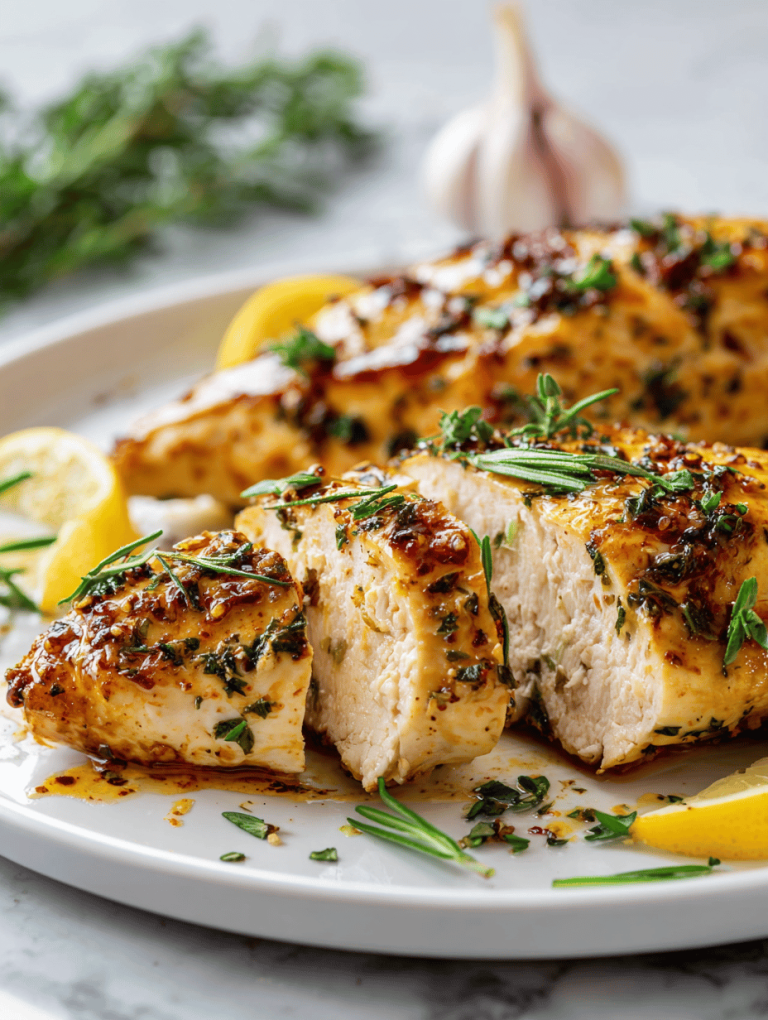
    This baked chicken breast recipe uses gentle seasoning, proper handling, and resting to ensure juicy, tender meat with a flavorful crust. Main ingredients include lean chicken breasts, herbs, and olive oil, resulting in a plump, golden exterior and moist interior that’s perfect for any meal. The dish is quick to prepare and easily customizable with your favorite spices or fresh herbs.
    Prep Time 10 minutes
    Cook Time 25 minutes
    Total Time 35 minutes
    Servings: 4
    Course: Main Course
    Cuisine: American
    Calories: 250

    Ingredients
      

    • 4 pieces chicken breasts boneless, skinless
    • 2 tablespoons olive oil extra virgin preferred
    • 1 teaspoon kosher salt or sea salt
    • 1/2 teaspoon black pepper
    • 1 teaspoon dried thyme or your choice of herbs
    • 1 teaspoon paprika adds color and mild flavor
    • 1 tablespoon lemon juice optional for brightening

    Equipment

    • Baking sheet
    • Parchment paper
    • Meat thermometer
    • Tongs

    Method
     

    1. Preheat your oven to 200°C (390°F) and line a baking sheet with parchment paper for easy cleanup.
    2. Pat the chicken breasts dry with paper towels; this removes excess moisture and helps them brown nicely.
    3. In a small bowl, mix together salt, pepper, thyme, paprika, and lemon juice to create a flavorful seasoning blend.
    4. Rub the seasoning mixture evenly over both sides of each chicken breast, pressing gently to ensure it adheres well.
    5. Drizzle olive oil over the seasoned chicken breasts, then use tongs to gently coat each piece, promoting browning.
    6. Place the chicken breasts on the prepared baking sheet, spacing them apart for even cooking.
    7. Bake in the preheated oven for 20-25 minutes, or until the internal temperature reaches 75°C (165°F) and the chicken is opaque and firm.
    8. Remove the chicken from the oven and transfer to a plate; let it rest for 5 minutes to allow juices to redistribute.
    9. Slice the rested chicken breasts against the grain to serve, ensuring each bite remains juicy and tender.
    10. Finish with a squeeze of fresh lemon or a quick drizzle of pan sauce for added brightness and flavor.
    Baking chicken breasts might seem straightforward, but getting them just right takes a bit of patience and attention. Resting the meat is key—without it, all those flavorful juices escape, leaving you with dry bites. Whether you like them simple or dressed up with herbs, this method keeps the chicken tender and satisfying. Keep experimenting with spices and pairings; it’s a blank canvas with endless possibilities.

  • healthy chicken breast recipes

    healthy chicken breast recipes

    Chicken breasts often get a bad rap for dryness, but when handled right, they can be tender, juicy, and packed with flavor. I like to think of them as a blank slate—easy to dress up with unexpected flavors and textures. This recipe is about breaking that monotony with a punch of citrus and garlic that keeps it fresh and vibrant.

    Why I Keep Coming Back to This Recipe

    Because it’s so adaptable—change the herbs, add a splash of hot sauce, or swap lemon for lime. The process is quick, forgiving, and consistently delivers tender, flavorful chicken. It’s my go-to when I want a satisfying, healthy meal without fuss. Plus, it’s a reminder that simplicity often wins.

    Breaking Down the Key Ingredients

    • Chicken breast: Lean, mild-flavored meat that absorbs marinades well, but can dry out if overcooked.
    • Lemon juice: Brightens the flavor with a zingy, citrusy punch, balancing richness.
    • Garlic: Adds pungent depth, mellowing into sweetness when cooked.
    • Soy sauce: Salty and umami-rich, helps tenderize meat and enhances savoriness.
    • Fresh herbs: Parsley or cilantro add a fresh, grassy note that lifts the dish.
    • Olive oil: Creates a crispy exterior and helps distribute flavors evenly.
    • Salt & pepper: Fundamental seasoning that ties everything together.

    Tools & Equipment for Perfect Chicken

    • Non-stick skillet: Prevents sticking and makes cleanup easier.
    • Meat thermometer: Ensures perfect doneness without guesswork.
    • Tongs: Helps flip the chicken without piercing the meat.
    • Cutting board & sharp knife: For resting and slicing the cooked chicken.

    Step-by-Step for Juicy, Flavorful Chicken Breasts

    Step 1: Start with a boneless, skinless chicken breast. Pat it dry with paper towels to remove excess moisture.

    Step 2: Marinate the chicken in a mixture of lemon juice, garlic, and a splash of soy sauce for at least 30 minutes.

    Step 3: Heat a non-stick skillet over medium-high heat, about 200°C (390°F). Add a drizzle of olive oil.

    Step 4: Place the chicken in the hot pan. Cook for 6-7 minutes on each side, until golden and cooked through.

    Step 5: Use a meat thermometer to ensure the internal temp reaches 75°C (165°F).

    Step 6: Remove the chicken from the pan and let it rest for 5 minutes before slicing.

    Step 7: Finish with a sprinkle of fresh herbs and a squeeze of lemon for brightness.

    Cooking Checkpoints & Tips to Nail It

    • Chicken should be golden-brown on each side with a slight crust.
    • Internal temperature hits 75°C (165°F) — no guesswork needed.
    • Juices should run clear when pierced, not pink or bloody.
    • The chicken should feel firm but springy when pressed.

    Common Mistakes & How to Fix Them

    • Cooking by eye or touch alone.? UNDERCOOKED — Use a meat thermometer to check for 75°C (165°F).
    • Cooking chicken with too much marinade or liquid.? SOGGY CHICKEN — Pat chicken dry before cooking to remove excess moisture.
    • Cutting into hot chicken immediately.? DRY TEXTURE — Let the chicken rest for 5 minutes after cooking.
    • Cooking at too high a temperature.? OVER-TORCHED — Cook on medium heat, avoid high heat that burns the outside.

    Citrus Garlic Chicken Breasts

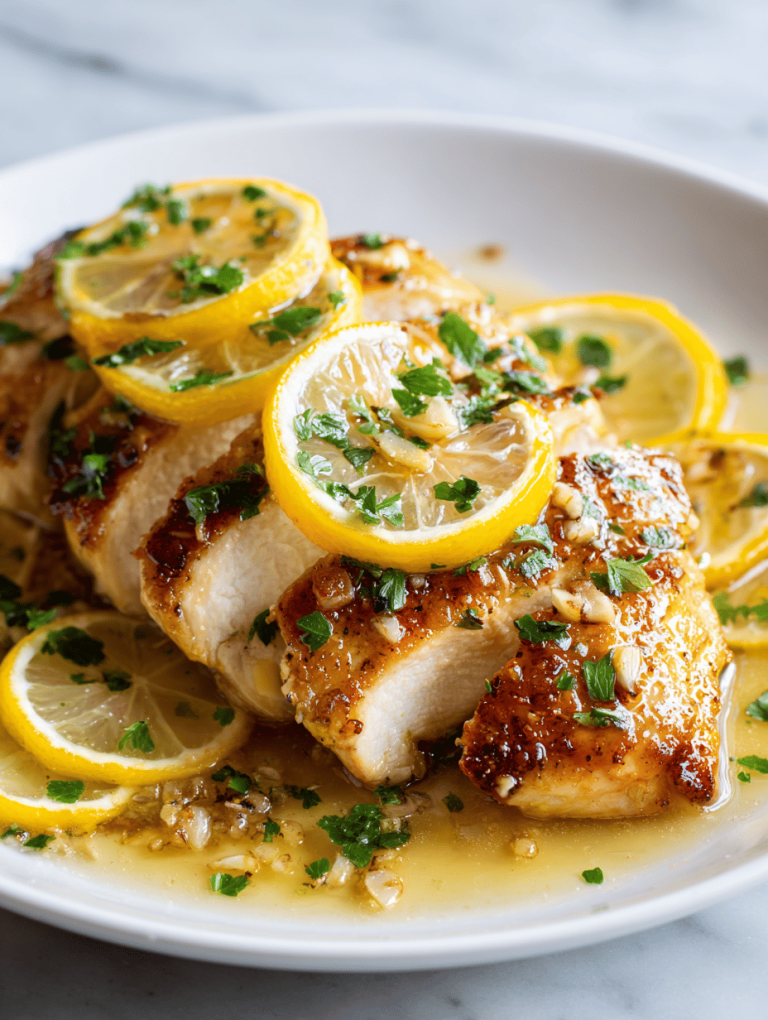
    This recipe features tender, juicy chicken breasts marinated in a bright citrus and garlic mixture, then cooked to a golden perfection. The process involves marinating, pan-searing, and resting to achieve a flavorful, crispy exterior with a moist interior. The final dish is vibrant, with a slightly crispy crust and a juicy, well-seasoned inside, perfect for a quick, healthy meal.
    Prep Time 40 minutes
    Cook Time 15 minutes
    Total Time 55 minutes
    Servings: 4
    Course: Main Course
    Cuisine: International
    Calories: 250

    Ingredients
      

    • 4 pieces boneless, skinless chicken breasts
    • 1/4 cup fresh lemon juice about 1-2 lemons
    • 3 cloves garlic minced
    • 2 tablespoons soy sauce
    • 2 tablespoons olive oil
    • Salt and pepper to taste
    • 2 tablespoons fresh herbs parsley or cilantro, chopped

    Equipment

    • Non-stick skillet
    • Meat thermometer
    • Tongs
    • Cutting board
    • Sharp knife

    Method
     

    1. Pat the chicken breasts dry with paper towels to remove excess moisture, which helps them sear better and stay juicy.
    2. In a small bowl, whisk together lemon juice, minced garlic, soy sauce, and a tablespoon of olive oil to create a flavorful marinade.
    3. Place the chicken breasts in a resealable plastic bag or shallow dish, then pour the marinade over them, making sure each piece is well coated. Marinate for at least 30 minutes in the refrigerator.
    4. Heat a non-stick skillet over medium-high heat until hot, about 2-3 minutes. Add a tablespoon of olive oil and swirl to coat the pan.
    5. Remove the chicken from the marinade, allowing excess to drip off, and carefully place it into the hot skillet. Sear for about 6-7 minutes on each side, until golden brown and cooked through, with a slight crust forming.
    6. Use a meat thermometer to check the internal temperature; it should reach 75°C (165°F) to ensure safe, perfect doneness.
    7. Once cooked, transfer the chicken to a cutting board and let it rest for 5 minutes; this helps keep all those flavorful juices inside.
    8. Slice the rested chicken breasts into thick strips or serve whole, then sprinkle with chopped fresh herbs and a squeeze of fresh lemon for extra brightness.

    Notes

    Adjust the marinade time for more flavor, or add a splash of hot sauce for extra heat. Serve with your favorite sides for a complete meal.
    Every time I make this, I’m reminded how a simple marinade can elevate chicken from bland to memorable. It’s satisfying to see the pan sear and smell that smoky, citrus aroma wafting up. Feel free to tweak the herbs or acidity — it’s your canvas for a quick, nourishing meal that keeps well in the fridge.

  • easy chicken breast recipes

    easy chicken breast recipes

    Chicken breasts often get a bad rap for being dry or boring. But with a simple brine and a hot pan, you can unlock their hidden juiciness and flavor. This approach is a bit unorthodox because it combines moistening first with a quick salt soak, then a crisp sear—no oven needed.

    What I love about this method is how forgiving it is. It’s less about timing perfectly and more about patience and attention. The result is a chicken that’s juicy, tender, and with a crispy crust—perfect for salads, wraps, or just on its own.

    Why I keep coming back to this recipe

    It’s straightforward but yields a surprisingly complex flavor and texture. The process feels honest—just heat, patience, and a good pan. I love how the aroma of searing chicken fills the kitchen, promising a satisfying bite. Plus, it’s adaptable—throw on different herbs or sauces to change it up.

    Breaking down the ingredients

    • Chicken breasts: Thick, meaty, and mild-flavored; ideal for quick cooking and absorbing flavors.
    • Salt and sugar (brine): Enhances moisture retention and balances flavor—don’t skip the brine.
    • Oil (high-smoke point, like canola or vegetable): Helps achieve that crisp, golden crust without burning.
    • Lemon or herbs (for finishing): Adds brightness and aroma—freshness makes the chicken pop.
    • Black pepper: A simple seasoning—adds just enough spice to complement the savory.
    • Optional: garlic powder, paprika: For extra flavor—use sparingly to avoid overpowering the chicken’s natural taste.

    Tools that make all the difference

    • Heavy skillet (cast iron ideally): Provides even heat and a crisp sear.
    • Meat thermometer: Ensures perfect doneness without overcooking.
    • Tongs: Helps flip the chicken without piercing and losing juices.
    • Paper towels: Thoroughly dry chicken for optimal searing.

    Step-by-step for a juicy, seared finish

    Step 1: Start with a quick brine—dissolve salt and sugar in water, then submerge chicken breasts for 15-20 minutes.

    Step 2: Pat dry thoroughly—moisture is the enemy of a good sear.

    Step 3: Heat a heavy skillet over medium-high heat until shimmering, about 2 minutes.

    Step 4: Add oil—enough to coat the bottom—and wait for it to shimmer.

    Step 5: Place chicken breasts in the pan, smooth side down. Cook undisturbed for 5-6 minutes, until golden.

    Step 6: Flip and cook another 4-5 minutes, until the internal temp hits 75°C (165°F).

    Step 7: Remove from heat, cover, and let rest for 5 minutes to keep juices in.

    Step 8: Slice and serve with a squeeze of lemon or a drizzle of pan juices.

    Cooking checkpoints & tips to get it just right

    • Chicken should be firm but not rubbery—poke to check for slight bounce.
    • The underside should be a rich, golden-brown—don’t rush the sear.
    • Internal temperature hits 75°C (165°F)—use a reliable probe.
    • Juices run clear when pierced—no pink or bloody spots.

    Common mistakes & how to fix them

    • Chicken steamed instead of seared.? Forgot to dry the chicken—pat it completely dry with paper towels.
    • Soggy, pale chicken.? Cooked at too low a heat—turn up the heat to get a proper sizzle.
    • Overcooked, dry chicken.? Left the chicken in the pan too long—use a timer and probe for 75°C.
    • Juice loss and dry bites.? Didn’t rest the meat—let it sit for 5 minutes before slicing.

    Juicy Crispy Seared Chicken Breast

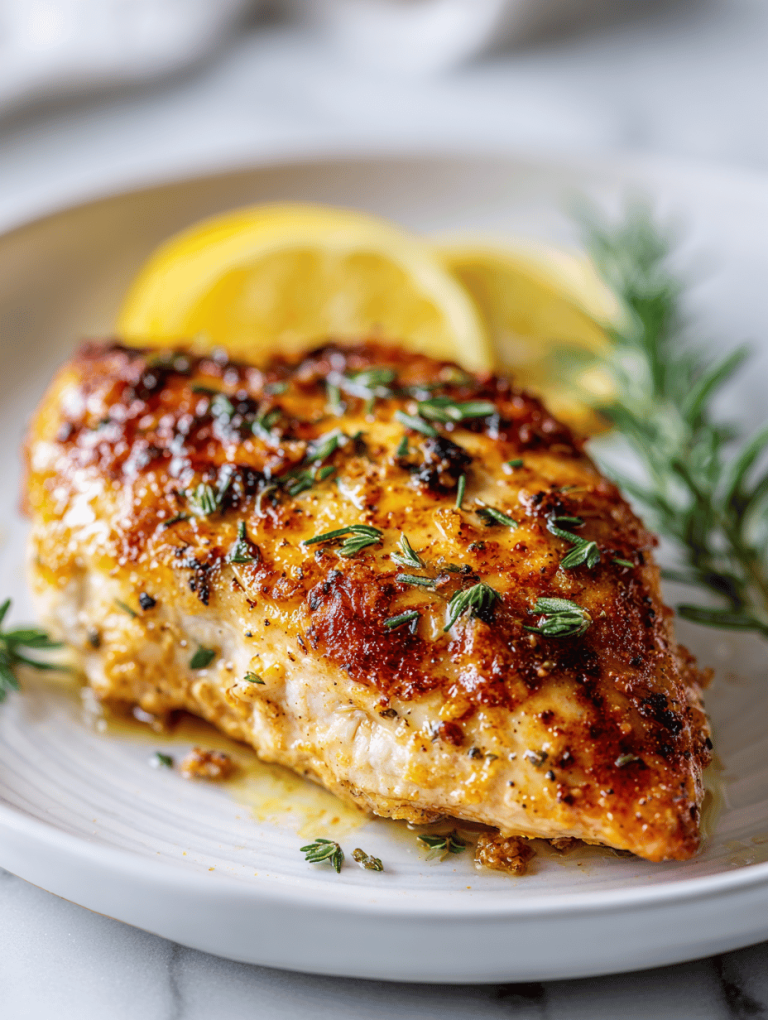
    This recipe features chicken breasts that are brined, patted dry, and seared in a hot pan to achieve a crispy crust and tender, juicy interior. The process involves a quick salt soak, high-heat searing, and resting for optimal moisture retention, resulting in a flavorful, visually appealing dish perfect for salads or solo eating.
    Prep Time 20 minutes
    Cook Time 12 minutes
    Total Time 32 minutes
    Servings: 2
    Course: Main Course
    Cuisine: American
    Calories: 250

    Ingredients
      

    • 2 pieces chicken breasts preferably thick-cut
    • 1 tsp salt for brining
    • 0.5 tsp sugar for brining
    • 1 tbsp oil high smoke point, like canola or vegetable oil
    • to taste black pepper freshly ground
    • optional lemon or herbs for finishing

    Equipment

    • Heavy skillet (cast iron preferred)
    • Meat thermometer
    • Tongs
    • Paper towels

    Method
     

    1. Dissolve the salt and sugar in 1 cup of water to create a quick brine. Submerge the chicken breasts in the brine and let sit for 15-20 minutes, allowing the flavors to penetrate and moisture to be absorbed.
    2. Remove the chicken from the brine and pat dry thoroughly with paper towels. Ensuring the surface is dry helps achieve a crisp sear.
    3. Heat a heavy skillet over medium-high heat until shimmering and hot, about 2 minutes. This ensures an even, high-temperature sear.
    4. Add the oil to the pan, swirling to coat the bottom evenly. Wait until it shimmers and just begins to smoke slightly.
    5. Place the chicken breasts in the pan, smooth side down. You should hear a satisfying sizzle. Let them cook undisturbed for 5-6 minutes, until the underside turns a deep golden brown and releases easily from the pan.
    6. Flip the chicken using tongs and cook for another 4-5 minutes on the second side. Use a meat thermometer to check that the internal temperature reaches 75°C (165°F).
    7. Remove the skillet from heat, cover loosely with foil or a plate, and let the chicken rest for 5 minutes. Resting allows the juices to redistribute, keeping the meat juicy.
    8. Slice the chicken against the grain, then squeeze fresh lemon or drizzle pan juices over the top for brightness and added flavor. Serve immediately for the best crispy, juicy experience.

    Notes

    Adjust searing times based on chicken thickness. Always verify internal temperature for safety. Feel free to sprinkle herbs or spices before serving for variety.
    This method is all about patience and heat control. You end up with chicken that’s tender inside, with a beautifully crisp exterior. It’s simple enough to do on a busy weeknight but feels special enough for guests. Play around with herbs or spices to match your mood.

  • chicken breast recipes

    chicken breast recipes

    Chicken breasts can be so boring if you stick to the same old grilled or baked routine. I like to think of them as a blank canvas—an opportunity to layer in bold flavors and textures. This recipe is about pushing that boundary with a quick marinade and a hot sear that caramelizes the surface, locking in juiciness.

    Why I Keep Coming Back to This Recipe

    It’s simple enough for a weekday, yet feels special. The way the lemon and garlic meld into the smoky crust—each bite is a little burst of comfort and brightness. Plus, it’s forgiving, flexible, and always turns out juicy when I follow these steps. That moment when I slice into it and the juices glisten—nothing beats that.

    Breaking Down the Ingredients

    • Chicken breast: Lean, tender, a blank slate for flavors—choose fresh, organic if possible.
    • Lemon juice: Brightens and tenderizes—swap with lime for a different citrus punch.
    • Garlic: Adds smoky, pungent notes—roast slightly for a sweeter depth.
    • Smoked paprika: Gives a subtle smoky earthiness—use regular paprika if you’re out.
    • Olive oil: Helps sear evenly—go for good-quality extra virgin for richer flavor.
    • Salt & pepper: Fundamental seasoning—adjust to your taste, don’t skip.
    • Optional herbs (thyme, rosemary): Fresh herbs elevate the aroma—add at the marinade stage or garnish.

    Tools & Equipment for Juicy Chicken

    • Cast-iron skillet: Provides even heat and great sear, essential for that crispy crust.
    • Meat thermometer: Ensures precise doneness without overcooking.
    • Tongs: Turns the chicken gently and evenly.
    • Aluminum foil: Rest the meat and keep it warm.

    Step-by-Step Guide to Perfectly Juicy, Flavorful Chicken Breast

    Step 1: Start with a fresh, organic chicken breast; the quality makes all the difference in tenderness.

    Step 2: Marinate it in a mixture of lemon juice, garlic, and a dash of smoked paprika for at least 30 minutes.

    Step 3: Heat a cast-iron skillet over medium-high heat until it’s just starting to shimmer, about 2 minutes.

    Step 4: Sear the chicken for 4-5 minutes per side, until a deep golden crust forms and it releases easily from the pan.

    Step 5: Use a meat thermometer to check for 75°C (165°F) in the thickest part of the breast.

    Step 6: Let it rest for 5 minutes off the heat, loosely tented with foil, to lock in juices.

    Step 7: Slice against the grain and serve with a drizzle of the pan juices for maximum flavor.

    Cooking Checkpoints & Tips for Success

    • Look for a rich, golden crust forming before flipping.
    • Use a thermometer, don’t guess—75°C (165°F) is the safe, juicy zone.
    • The chicken should jiggle slightly in the center when done; avoid overcooking.
    • Rest the meat properly to keep it moist and flavorful.

    Common Mistakes & How to Fix Them

    • Cooking without checking internal temperature.? Use a meat thermometer instead of guessing; avoid rubbery or dry results.
    • Crowding causing the chicken to stew instead of sear.? Don’t overcrowd the pan; cook in batches if needed to avoid steaming.
    • Cutting into it immediately, losing juices.? Let the chicken rest for at least 5 minutes.
    • Searing at too low a temperature, resulting in pale, soggy crust.? Ensure your pan is hot before adding the chicken.

    Garlic Lemon Chicken Breast

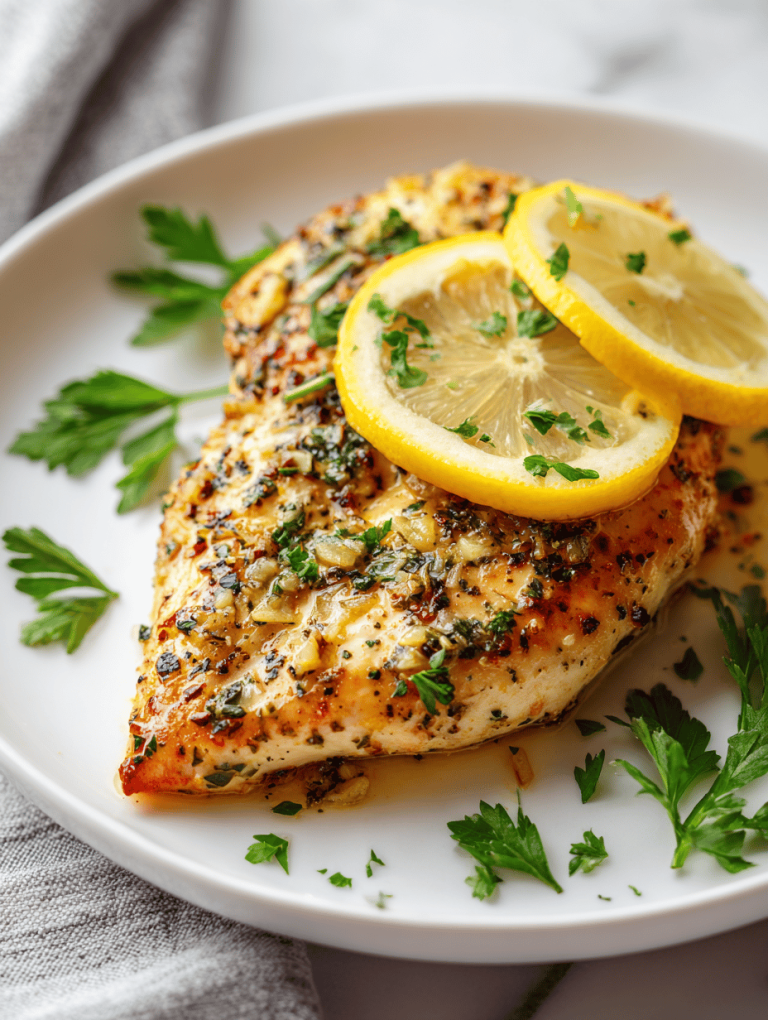
    This recipe features chicken breasts seared to a golden crust with a quick marinade of lemon, garlic, and smoky paprika. The high heat creates a caramelized surface while locking in juicy tenderness, resulting in a flavorful, visually appealing dish with bright citrus notes and a savory crust.
    Prep Time 40 minutes
    Cook Time 10 minutes
    Total Time 50 minutes
    Servings: 4
    Course: Main Course
    Cuisine: International
    Calories: 250

    Ingredients
      

    • 4 pieces chicken breasts preferably organic and fresh
    • 1/4 cup lemon juice freshly squeezed for best flavor
    • 3 cloves garlic minced
    • 1 teaspoon smoked paprika or regular paprika
    • 2 tablespoons olive oil good quality extra virgin preferred
    • to taste salt & pepper adjust according to preference
    • optional fresh herbs (thyme, rosemary) for marinade or garnish

    Equipment

    • Cast iron skillet
    • Meat thermometer
    • Tongs
    • Aluminum foil

    Method
     

    1. Place the chicken breasts in a shallow dish and pour over the lemon juice, minced garlic, smoked paprika, and a drizzle of olive oil. Season with salt and pepper, then toss to coat evenly. Let marinate for at least 30 minutes to infuse flavor and tenderize.
    2. Heat the cast-iron skillet over medium-high heat until it shimmers and you can hear a gentle sizzle. Add a splash of olive oil and swirl to coat the pan evenly.
    3. Remove the chicken from the marinade, letting excess drip off, and carefully place it into the hot skillet. Sear for about 4-5 minutes without moving, until the surface develops a deep golden crust and releases easily from the pan.
    4. Flip the chicken using tongs and cook for another 4-5 minutes, maintaining a steady sizzle. The crust should be crispy and deep golden, with the chicken feeling firm yet slightly springy when pressed.
    5. Insert a meat thermometer into the thickest part of a breast to check for 75°C (165°F). Once reached, remove the chicken from the skillet and transfer to a plate.
    6. Tent the chicken loosely with aluminum foil and let it rest for 5 minutes. This step allows the juices to redistribute, keeping the meat moist and flavorful.
    7. Slice the chicken against the grain into thick strips or rounds, and arrange on a plate. Drizzle with any pan juices and garnish with fresh herbs if desired for a bright, aromatic finish.
    Cooking chicken breasts this way is a revelation—moist, tender, with a smoky brightness that’s hard to beat. It’s a simple process, but the results feel like a little celebration on a plate. Once you get the hang of the sear and resting, it’s easy to keep coming back for more, tweaking spices and accompaniments. Enjoy the process and make it your own—these breasts are surprisingly forgiving, and always worth the effort.

  • Best Chili Recipe: A Slow-Braised Revelation from My Kitchen

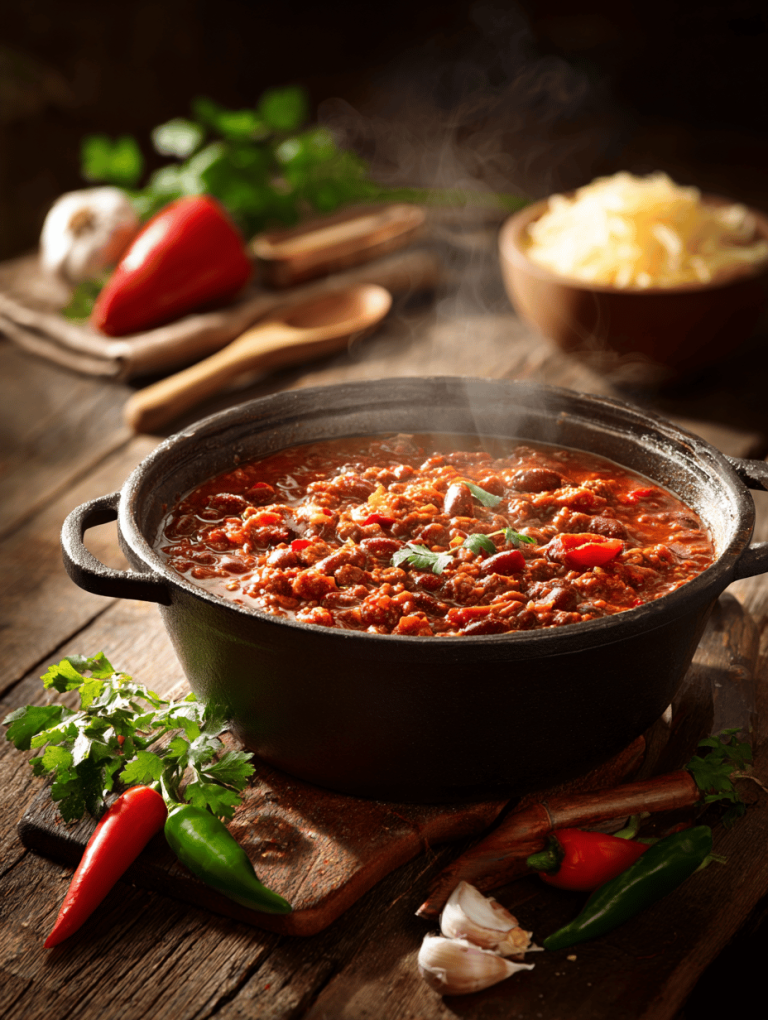
    Best Chili Recipe: A Slow-Braised Revelation from My Kitchen

    Making chili has always been a messy, imperfect art in my kitchen. I love how it’s forgiving yet complex, a stew that’s better the next day and full of memories. This recipe isn’t about perfection but about making a warm, hearty bowl that feeds the soul.

    Why This Chili Always Calls Me Back

    It’s a messy, slow-cooked stew that tastes like comfort and chaos, blending smoky, tangy, and savory in every spoonful. Each batch reminds me of weekends spent experimenting and tweaking, making every bowl a story. It’s the kind of dish that invites you to sit, sip, and share—no fuss, just honest flavors.

    Breaking Down the Key Ingredients

    • Ground beef or turkey: Provides rich, savory base; use lean for less grease, or chuck for juiciness.
    • Canned tomatoes: Vivid, acidic, and slightly sweet—look for fire-roasted for extra smoky flavor.
    • Beans: Adds creaminess and protein—black or kidney work well; skip if you prefer low-carb.
    • Chili powder & spices: A smoky blend that forms the backbone; toast spices in oil before adding liquids.
    • Onions and garlic: Fundamental aromatics; sauté until golden, releasing sweetness and aroma.
    • Optional extras: Oregano, cumin, cayenne—adjust spice levels for your heat tolerance.
    • Liquid smoke or smoked paprika: Gives depth and a smoky punch—use sparingly to avoid overpowering.

    Tools & Equipment for a Perfect Chili

    • Heavy-bottomed pot: Ensures even heat and prevents scorching.
    • Wooden spoon: Good for stirring without scratching the pot.
    • Measuring spoons and cups: Keeps spices balanced, not too salty or bland.
    • Knife and cutting board: Chop ingredients uniformly for even cooking.

    Step-by-Step to a Deep, Rich Chili

    Step 1: Start by heating a heavy-bottomed pot over medium heat, about 160°C (320°F).

    Step 2: Add a splash of oil, then toss in chopped onions and garlic, sauté until they turn translucent and fragrant—about 5 minutes.

    Step 3: Introduce the ground beef or your preferred protein, breaking it apart with a spoon, cook until browned—another 8 minutes.

    Step 4: Stir in chopped tomatoes, beans, and spices. Bring to a gentle simmer, then lower the heat to about 90°C (194°F).

    Step 5: Cover partially and cook for at least 2 hours, stirring occasionally. The chili should thicken, and flavors meld.

    Cooking Checkpoints & Tips

    • Meat should be browned and fragrant before adding liquids.
    • Chili should simmer gently, avoid rapid boiling—this keeps the texture tender.
    • Look for a rich, thick sauce with a vibrant, smoky aroma—your cue it’s done.

    Common Mistakes & How to Fix Them

    • Too dry or burnt at the bottom.? Add more liquid if chili is too thick or sticking.
    • Burnt bits and bitter flavor.? Reduce heat and stir gently.
    • Lack of flavor or dullness.? Taste and adjust salt or spice.
    • Too bland or watery.? Cook longer if flavors aren’t melding.

    Hearty Classic Chili

    This chili is a slow-cooked stew combining ground meat, canned tomatoes, beans, and a smoky spice blend for a comforting, thick dish with a rich aroma. The recipe emphasizes simmering to meld flavors, resulting in a hearty, slightly chunky texture that’s perfect for sharing and improves overnight.
    Prep Time 15 minutes
    Cook Time 2 hours
    Total Time 2 hours 15 minutes
    Servings: 6
    Course: Main Course
    Cuisine: American
    Calories: 350

    Ingredients
      

    • 1 lb ground beef or turkey lean preferred
    • 1 can diced tomatoes fire-roasted if possible
    • 1 can beans black or kidney, drained and rinsed
    • 2 tbsp chili powder smoky blend
    • 1 small onion chopped
    • 3 cloves garlic minced
    • 1 tsp cumin ground
    • 1 tsp oregano dried
    • 1 tsp liquid smoke or smoked paprika optional, for smoky depth
    • 2 tbsp oil vegetable or olive oil for sautéing
    • to taste salt and pepper for seasoning

    Equipment

    • Heavy-bottomed pot
    • Wooden spoon
    • Measuring spoons and cups
    • Knife
    • Cutting board

    Method
     

    1. Heat the oil in a heavy-bottomed pot over medium heat until it shimmers and you can hear a gentle sizzle.
    2. Add chopped onions and minced garlic to the pot. Sauté, stirring occasionally, until the onions become translucent and fragrant—about 5 minutes. You’ll notice a sweet aroma and the onions turning a light golden color.
    3. Push the aromatics to one side of the pot, then add the ground beef or turkey. Break it apart with your spoon, cooking until browned and no longer pink—about 8 minutes. As it cooks, you’ll see the meat develop a deep brown color and hear gentle sizzling.
    4. Stir in the chili powder, cumin, oregano, and smoked paprika or liquid smoke. Cook for another minute, allowing the spices to toast slightly and release their aroma—your kitchen will fill with a warm, smoky scent.
    5. Add the canned diced tomatoes and drained beans to the pot. Stir everything together, scraping up any browned bits from the bottom to build flavor. The mixture will look vibrant and slightly saucy.
    6. Bring the chili to a gentle simmer, then reduce the heat to low. Partially cover the pot and let it cook slowly for at least 2 hours, stirring occasionally. As it simmers, you’ll see the sauce thicken and become richer, with flavors melding beautifully.
    7. Taste the chili and add salt and pepper as needed. Feel free to adjust the spice levels or add a splash more liquid smoke for extra smoky depth. The final dish should be thick, hearty, and fragrant, with a vibrant aroma ready for serving.
    8. Once the chili reaches your desired thickness and flavor, ladle it into bowls. Serve hot, garnished with your favorite toppings like shredded cheese, sour cream, or chopped herbs if desired.

    Notes

    For an even deeper flavor, let the chili sit overnight before reheating and serving. You can also add chopped peppers or a dash of hot sauce for extra heat.
    This chili becomes better with time, so don’t rush the slow cook. It’s perfect for cozy weekends or unexpected guests—just let the simmer do its magic. Adjust seasoning as needed, maybe a squeeze of lime or a dash of hot sauce, and serve with crusty bread or rice. Remember, the best chili is the one you tweak to make your own.

  • Chicken Noodle Soup Recipe: A Cozy Twist with a Secret Ingredient

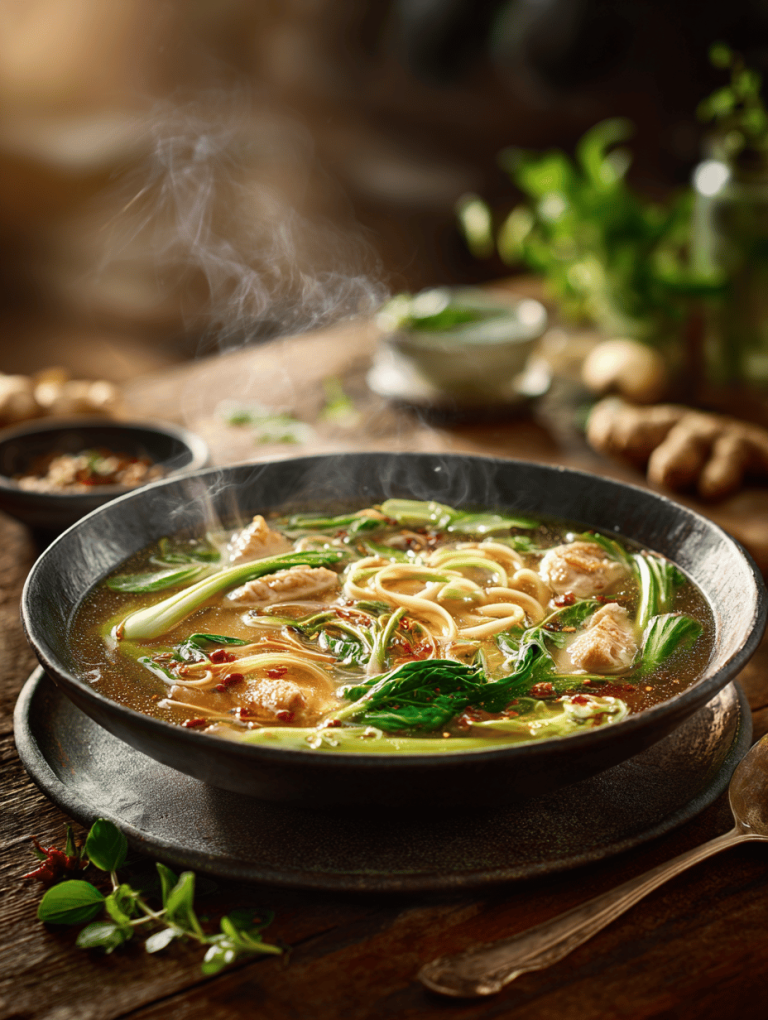
    Chicken Noodle Soup Recipe: A Cozy Twist with a Secret Ingredient

    Chicken noodle soup feels like a warm hug on a chilly day, but I love giving it a little twist—adding a splash of fish sauce to deepen the flavor or a handful of spinach for a pop of color and nutrition. It’s a dish that’s rooted in comfort but never boring. I make it when I want something honest, filling, and quick enough to whip up after a long day.

    Why this soup keeps calling me back

    It’s a dish I can make with whatever’s in the fridge, comforting and familiar. The simple act of simmering everything together makes my small apartment smell like home. Plus, that first spoonful—hot, savory, with a touch of lemon—reminds me that good things come from straightforward, honest cooking.

    Breaking down the ingredients

    • Chicken broth: The backbone of the soup—go for low-sodium if you want control over salt.
    • Chicken: Shredded cooked chicken adds protein and heartiness—use leftover roast or poached chicken.
    • Noodles: Egg noodles work best—look for fresh or dried, but avoid overcooking.
    • Vegetables: Carrots, celery, onions—basic but essential for flavor and texture.
    • Herbs and seasonings: Fresh parsley or dill brighten everything up, salt and pepper to taste.
    • Lemon: A squeeze at the end lifts the flavors, adding a bright, zesty note.

    Tools of the trade for a perfect bowl

    • Large heavy-bottomed pot: To evenly cook the broth, vegetables, and noodles.
    • Sharp knife: For chopping vegetables and chicken.
    • Cutting board: A sturdy surface for prep work.
    • Ladle: To serve and test the broth.
    • Measuring cups and spoons: To keep your seasonings balanced.

    Step-by-step guide to a soulful chicken noodle soup

    Step 1: Start by gathering all your ingredients. It’s a small ritual—like a warm-up before the main act.

    Step 2: In a large pot, sauté chopped onions and garlic in a splash of oil until fragrant, about 3 minutes.

    Step 3: Add diced carrots and celery, cook until they soften slightly, around 5 minutes. The smell should turn sweet and earthy.

    Step 4: Pour in chicken broth, bring to a gentle simmer, about 10 minutes.

    Step 5: Stir in shredded cooked chicken and your favorite noodles. Cook until noodles are tender, about 8 minutes.

    Step 6: Taste and adjust seasoning with salt and pepper. If it’s too bland, a squeeze of lemon can brighten it up.

    Step 7: Let it rest for a few minutes to allow flavors to meld. Serve hot, with a sprinkle of fresh herbs.

    Cooking checkpoints and tips for perfection

    • Noodles should be al dente, not mushy. Test a strand before draining.
    • Broth should be clear and fragrant, not cloudy or greasy.
    • Vegetables should be tender but not falling apart—look for a slight jiggle.
    • If broth is too salty, add a splash of water or a squeeze of lemon to balance.

    Common mistakes and how to fix them

    • Over-seasoned broth.? Too salty broth? Add a splash of water or a squeeze of lemon.
    • Overcooked noodles.? Noodles overcooked? Remove and rinse with cold water immediately.
    • Vegetables turning to mush.? Vegetables too soft? Add them later in the cooking process.
    • Cloudy broth.? Broth cloudy? Keep heat low after boiling, and skim foam off the surface.

    Homestyle Chicken Noodle Soup

    This comforting chicken noodle soup is made by simmering fresh vegetables, shredded cooked chicken, and noodles in a flavorful broth, resulting in a hearty and warm dish. The soup has a clear, fragrant broth with tender vegetables and al dente noodles, finished with a bright squeeze of lemon and fresh herbs for a wholesome finish.
    Prep Time 15 minutes
    Cook Time 20 minutes
    Total Time 35 minutes
    Servings: 4
    Course: Main Course
    Cuisine: Comfort Food
    Calories: 350

    Ingredients
      

    • 4 cups chicken broth low-sodium preferred
    • 2 cups shredded cooked chicken leftover roast or poached chicken works well
    • 2 cups egg noodles fresh or dried
    • 2 carrots diced
    • 2 stalks celery diced
    • 1 large onion chopped
    • 2 cloves garlic minced
    • 2 tablespoons olive oil
    • to taste salt and pepper
    • 1 lemon lemon for squeezing at the end
    • a handful fresh parsley or dill chopped, for garnish

    Equipment

    • Large heavy-bottomed pot
    • Sharp knife
    • Cutting board
    • Ladle
    • Measuring cups and spoons

    Method
     

    1. Gather and prepare all your ingredients: dice carrots and celery, chop onion and garlic, and shred any leftover cooked chicken.
    2. Heat olive oil in a large heavy-bottomed pot over medium heat until shimmering and fragrant.
    3. Add chopped onion and minced garlic to the pot, sauté until fragrant and translucent, about 3 minutes. You should hear a gentle sizzle and see the onions turn soft and slightly golden.
    4. Toss in the diced carrots and celery, cook for another 5 minutes, stirring occasionally until the vegetables soften and release a sweet, earthy aroma.
    5. Pour in the chicken broth and bring the mixture to a gentle simmer. Let it cook for about 10 minutes, allowing flavors to meld and the broth to become fragrant.
    6. Stir in the shredded cooked chicken and add the egg noodles. Cook until the noodles are tender and al dente, about 8 minutes, stirring occasionally to prevent sticking.
    7. Taste the soup and season with salt and pepper as needed. Squeeze in fresh lemon juice to brighten the flavors and stir to combine.
    8. Turn off the heat and let the soup rest for a few minutes. Garnish with chopped parsley or dill for a fresh, vibrant finish.
    9. Serve the hot soup in bowls, ensuring each has a good mix of vegetables, noodles, and chicken. Enjoy the comforting aroma and wholesome flavors!
    This soup isn’t just about comfort; it’s a reminder that simple ingredients, treated well, can create something soul-satisfying. Feel free to tweak the vegetables or add a dash of hot sauce for extra kick. It’s a flexible, forgiving recipe that rewards patience and a careful eye. Enjoy making it your own, spoonful by spoonful.

  • Unconventional Turkey Chili: A Cozy Twist with Unexpected Spices

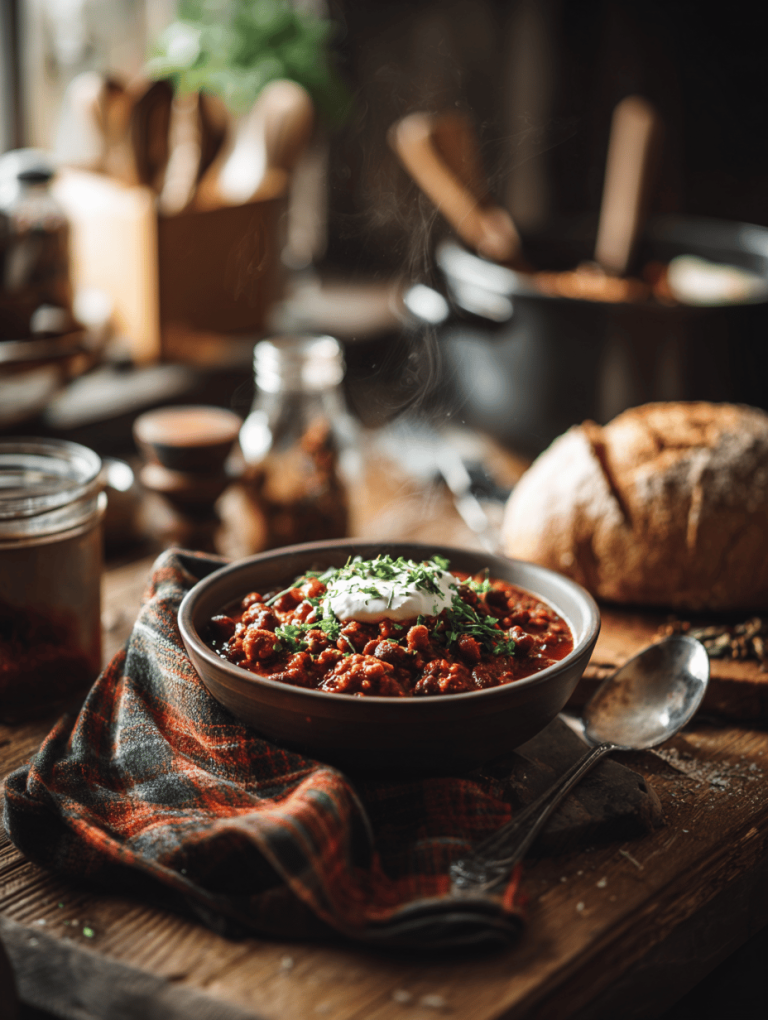
    Unconventional Turkey Chili: A Cozy Twist with Unexpected Spices

    This turkey chili is a little offbeat, inspired by the cozy chaos of my kitchen late at night. I love how the spices unfold slowly, revealing smoky, spicy, and sweet notes that keep me coming back. It’s a comfort dish but with a twist that keeps it interesting amid season changes or when I need a hearty, easy meal.

    Why This Chili Will Keep Calling Your Name

    It’s a flexible, forgiving recipe that loves tweaks and surprises. The smoky warmth, the quick cook time, and the cozy aroma make it a go-to when I want comfort without the fuss. Plus, it adapts well to what’s in the pantry, always delivering a satisfying, spicy hug.

    Breaking Down the Ingredients

    • Ground turkey: Lean and mild, a blank canvas for bold spices.
    • Chopped onions & garlic: Base aromas that sweeten as they cook, building depth.
    • Bell peppers: Add sweetness and crunch, or soften for a tender bite.
    • Canned diced tomatoes: Juicy and tangy, they form the chili’s juicy backbone.
    • Smoked paprika & cinnamon: Aromatic, smoky warmth that’s unexpected but perfect.
    • Cayenne & chili powder: Heat and spice—don’t skimp, but balance carefully.
    • Chicken broth: Helps simmer and blend flavors, adjust for consistency.

    Tools of the Trade for a Perfect Chili

    • Heavy-bottomed pot: Prevents scorching and ensures even cooking.
    • Wooden spoon: Stirs without scratching the pot and helps mix spices evenly.
    • Measuring spoons: Accurately adds spices for balanced flavor.
    • Can opener: Eases opening canned tomatoes and broth.
    • Sharp knife: Chops vegetables swiftly and safely.

    Step-by-Step: How to Make Your Cozy Turkey Chili

    Step 1: Heat a heavy-bottomed pot over medium heat, about 160°C (320°F).

    Step 2: Add a splash of oil, then toss in chopped onions and garlic. Cook until translucent and fragrant, 5-7 minutes.

    Step 3: Increase heat to medium-high, then add ground turkey. Break it apart and cook until browned, about 8 minutes.

    Step 4: Stir in chopped bell peppers and a pinch of smoked paprika. Cook until peppers soften, 5 minutes.

    Step 5: Pour in canned diced tomatoes and a splash of chicken broth. Bring to a simmer, then reduce heat to low.

    Step 6: Add a teaspoon of cinnamon and a dash of cayenne for warmth and complexity.

    Step 7: Simmer uncovered for 25-30 minutes, stirring occasionally. The chili should thicken slightly and smell rich.

    Step 8: Taste and adjust salt, pepper, or spice levels as needed.

    Step 9: Serve hot, garnished with fresh cilantro or a squeeze of lime.

    Cooking Tips & Tricks to Perfect Your Chili

    • Ensure turkey is browned well for flavor—don’t rush this step.
    • Keep the chili at a gentle simmer to avoid burning or sticking.
    • Taste early and often—adjust seasoning as it cooks.
    • Watch for signs of thickening—if it gets too thick, add more broth.

    Common Mistakes & How to Fix Them

    • Adding too much liquid at once.? Too watery? Cook uncovered longer, stirring often.
    • Overcooking spices.? Spices lost? Add a pinch more, then simmer 5 mins.
    • High heat causing burning.? Burnt bits? Lower heat immediately and deglaze with broth.
    • Under-seasoning.? Lack of flavor? Boost with a splash of soy sauce or Worcestershire.

    Warm Spicy Turkey Chili

    This turkey chili combines lean ground turkey with aromatic spices, smoky paprika, and a hint of cinnamon, cooked to develop rich, layered flavors. The dish features a hearty, slightly thickened texture with tender vegetables and a vibrant, spicy aroma, perfect for cozy nights. It’s a forgiving recipe that adapts easily to pantry staples and personal spice preferences.
    Prep Time 10 minutes
    Cook Time 30 minutes
    Total Time 40 minutes
    Servings: 4
    Course: Main Course
    Cuisine: American
    Calories: 350

    Ingredients
      

    • 1 lb ground turkey lean
    • 1 cup chopped onions
    • 3 cloves garlic minced
    • 1 large bell pepper chopped
    • 1 can (14.5 oz) diced tomatoes
    • 1 tsp smoked paprika
    • 1/2 tsp cinnamon ground
    • 1 tsp chili powder
    • 1/4 tsp cayenne pepper optional, for heat
    • 1/2 cup chicken broth or vegetable broth

    Equipment

    • Heavy-bottomed pot
    • Wooden spoon
    • Measuring spoons
    • Can opener
    • Sharp knife

    Method
     

    1. Heat a heavy-bottomed pot over medium heat until warm, then add a splash of oil. Add chopped onions and minced garlic, cooking until the onions turn translucent and fragrant, about 5-7 minutes, with a gentle sizzle filling the air.
    2. Increase the heat to medium-high and crumble in the ground turkey. Use your spoon to break it apart, cooking until it browns evenly and develops a slight crust, about 8 minutes, filling the kitchen with a savory aroma.
    3. Add chopped bell peppers and a teaspoon of smoked paprika, stirring to combine. Cook for about 5 minutes, until the peppers soften slightly and the mixture turns vibrant.
    4. Pour in the canned diced tomatoes along with their juice, then add a splash of chicken broth. Stir everything together, bringing the mixture to a gentle simmer with bubbling sounds.
    5. Sprinkle in ground cinnamon, chili powder, and cayenne pepper, stirring well to evenly distribute the spices. The mixture will emit a warm, spicy fragrance as the flavors meld.
    6. Reduce the heat to low and let the chili simmer uncovered for 25-30 minutes, stirring occasionally. The chili will thicken slightly, and the aroma will deepen, creating a cozy, inviting scent.
    7. Taste the chili and adjust seasoning with salt, pepper, or additional spices if needed. The flavors should be rich, smoky, and well-balanced, with a hint of sweetness from the cinnamon.
    8. Serve hot in bowls, garnished with fresh cilantro or a squeeze of lime for bright contrast. Enjoy the hearty, spicy hug of this cozy turkey chili.
    This turkey chili isn’t just about comfort; it’s about surprising your palate with a mix of familiar and unexpected flavors. It’s perfect for a quick weeknight dinner or a lazy weekend meal that welcomes leftovers. Feel free to tweak the spices—sometimes a little more cinnamon or a dash of smoky chipotle can transform it entirely. Enjoy the process and make it your own, every time.

  • Eggplant Parmesan Recipe: A Cozy Classic with a Twist

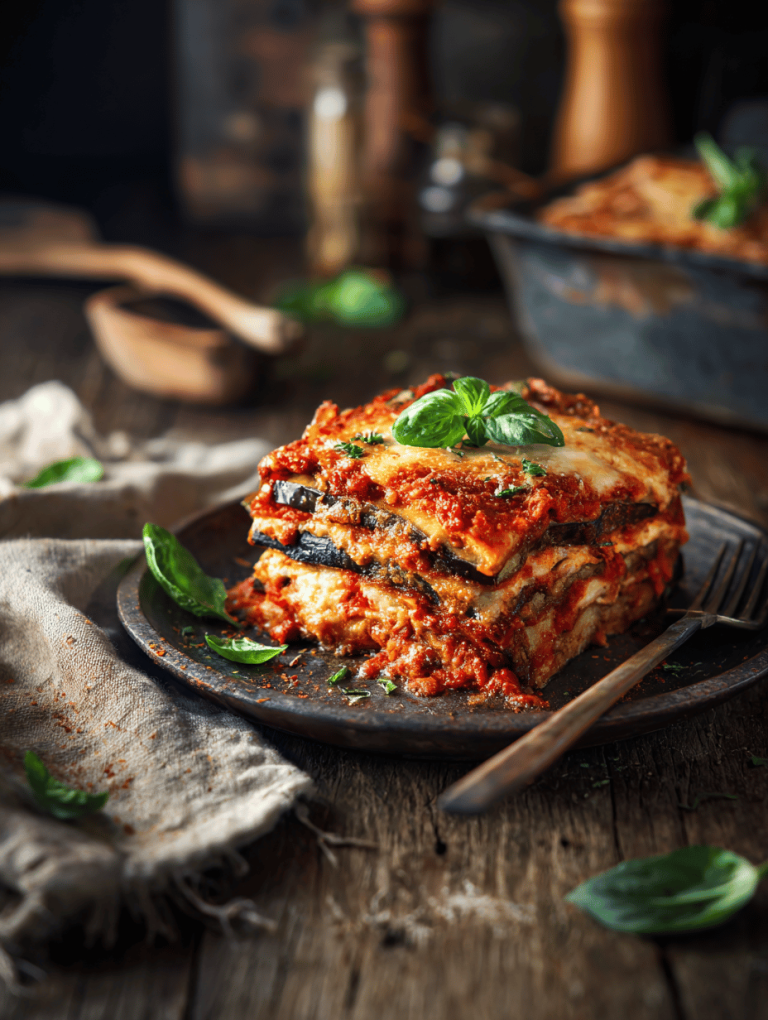
    Eggplant Parmesan Recipe: A Cozy Classic with a Twist

    Eggplant Parmesan is one of those dishes I turn to when I want comfort and a little bit of nostalgia. But I like to give it a twist—using fresh herbs and a touch of smoked paprika in the breadcrumb coating for extra flavor. It’s a dish that feels like a warm hug but still surprises with its smoky depth. Perfect for those weekends when you want something satisfying but not heavy.

    Why I Keep Coming Back to This Recipe

    It’s forgiving in the oven and flexible with ingredients. The crispy fried eggplant offers a satisfying crunch, while the cheesy, saucy layers keep me coming back. Plus, it’s a dish that tastes even better the next day, making leftovers a treat. I love how it fills my kitchen with a warm, savory aroma—reminding me of family dinners and lazy weekends.

    Eggplant Parmesan Ingredients Breakdown

    • Eggplants: Their spongy texture absorbs flavors and crisps up beautifully when fried.
    • Breadcrumbs: Provides crunch. Use panko for extra lightness, or seasoned for flavor.
    • Parmesan cheese: Adds saltiness and umami; opt for freshly grated for best flavor.
    • Marinara sauce: A vibrant, tangy base that balances richness. Homemade or store-bought works.
    • Mozzarella: Melts into gooey layers. Fresh mozzarella creates a creamier texture.
    • Olive oil: For frying; choose good-quality extra virgin for flavor.
    • Fresh basil: Brightens the dish with aromatic freshness.

    Tools of the Trade for Eggplant Parmesan

    • Baking dish: For layering and baking the assembled eggplant slices.
    • Frying pan: To fry the eggplant slices until crispy.
    • Cooking thermometer: To monitor oil temperature for perfect frying.
    • Wire rack: To drain excess oil from fried eggplant.
    • Mixing bowls: For preparing dredging stations and mixing herbs.

    Crafting the Perfect Eggplant Parmesan: Step-by-Step

    Step 1: Preheat your oven to 200°C (390°F).

    Step 2: Slice eggplants into 1/2 inch thick rounds. Salt them generously and let sit for 20 minutes to draw out bitterness.

    Step 3: Pat eggplants dry, then dredge in seasoned flour, dip in beaten eggs, and coat with a mixture of breadcrumbs and Parmesan cheese.

    Step 4: Fry eggplant slices in hot oil over medium heat until golden brown, about 3-4 minutes per side.

    Step 5: Layer fried eggplants in a baking dish with marinara sauce and mozzarella, then bake at 180°C (350°F) for 25-30 minutes until bubbly.

    Step 6: Let sit for 5 minutes before serving. Garnish with fresh basil or a sprinkle of Parmesan.

    Cooking Checkpoints & Tips to Nail It

    • Eggplant slices should be golden and crispy, not soggy. Keep an eye on frying temperature.
    • The sauce should be bubbling around the edges before you pull it out of the oven.
    • Cheese should be melted and slightly browned, not dried out or greasy.
    • Rest the dish for at least 5 minutes to let the flavors meld and the cheese set.

    Common Mistakes & How to Fix Them

    • Eggplant soggy and greasy.? Use a slotted spoon to transfer eggplant slices from oil to avoid excess grease.
    • Bitterness and excess moisture.? Salt eggplant slices early and let sit for 20 minutes.
    • Underbaked or runny cheese.? Bake at 180°C (350°F) until cheese is bubbly and golden.
    • Messy, melted cheese slides off.? Let the baked dish rest for 5 minutes before serving.

    Eggplant Parmesan with a Twist

    Eggplant Parmesan is a comforting dish featuring crispy fried eggplant layers topped with marinara and melted cheese. This version uses fresh herbs and smoked paprika in the breadcrumb coating for extra flavor, resulting in a golden, bubbly casserole with a smoky depth. The dish offers a satisfying crunch combined with gooey cheese and rich tomato sauce, perfect for cozy weekends.
    Prep Time 20 minutes
    Cook Time 35 minutes
    Total Time 55 minutes
    Servings: 4
    Course: Main Course
    Cuisine: Italian-American
    Calories: 420

    Ingredients
      

    • 2 large eggplants sliced into 1/2 inch rounds
    • 1 cup all-purpose flour for dredging
    • 3 large eggs beaten
    • 2 cups breadcrumbs panko preferred, mixed with herbs and smoked paprika
    • 1/2 cup Parmesan cheese freshly grated
    • 2 cups marinara sauce store-bought or homemade
    • 8 oz mozzarella cheese shredded or sliced
    • 1/4 cup olive oil for frying
    • 1 bunch fresh basil chopped for garnish

    Equipment

    • Baking dish
    • Frying pan
    • Cooking thermometer
    • Wire rack
    • Mixing bowls

    Method
     

    1. Preheat your oven to 180°C (350°F) and prepare a baking dish.
    2. Slice the eggplants into 1/2 inch thick rounds, then sprinkle generously with salt and let sit for 20 minutes to draw out excess moisture and bitterness.
    3. Pat the eggplant slices dry with paper towels to remove moisture, preparing them for dredging.
    4. Set up your dredging station: place flour in one shallow dish, beaten eggs in another, and a mixture of breadcrumbs, Parmesan, smoked paprika, and herbs in a third.
    5. Dredge each eggplant slice first in flour, then dip into the beaten eggs, and finally coat thoroughly with the breadcrumb mixture, pressing gently to adhere.
    6. Heat olive oil in a frying pan over medium heat, and fry the coated eggplant slices in batches for about 3-4 minutes per side, until golden brown and crispy.
    7. Transfer the fried eggplant slices to a wire rack to drain excess oil, then repeat with remaining slices.
    8. Spread a thin layer of marinara sauce in the baking dish, then arrange a layer of fried eggplant slices over the sauce.
    9. Sprinkle with shredded mozzarella and a bit of Parmesan cheese, then spoon more marinara over the top.
    10. Repeat layering with remaining eggplant, sauce, and cheese, finishing with a top layer of cheese.
    11. Bake in the preheated oven for 25-30 minutes, until bubbling and cheese is golden and melted. The aroma should be warm and savory.
    12. Remove from oven, let rest for 5 minutes, then garnish with freshly chopped basil and serve hot for a satisfying, crispy, cheesy experience.

    Notes

    For extra flavor, use freshly grated Parmesan and a mix of fresh herbs in the breadcrumb coating. Letting the dish rest before slicing helps the cheese set, making it easier to serve clean slices.
    This dish is a testament to patience and layering flavors. The crispy eggplant contrasts beautifully with the rich, tangy sauce and gooey cheese. It’s a forgiving recipe that invites tweaks—more herbs, a spicy kick, or even a drizzle of honey on top. Once out of the oven, pairing it with a simple green salad keeps it fresh and balanced. It’s a cozy, hearty meal that feels like a warm hug on a busy night.

  • Stuffed Peppers Recipe: A Cozy Twist on a Classic

    Stuffed Peppers Recipe: A Cozy Twist on a Classic

    I’ve always loved how stuffed peppers combine the freshness of the vegetable with the heartiness of the filling. It’s a dish that feels like a little celebration of seasonal produce, especially when peppers are at their peak. Over the years, I’ve tweaked the filling to suit whatever I have on hand, which makes it a perfect go-to.
    What keeps pulling me back is that first bite — the sweet, slightly smoky pepper with the savory, herby stuffing. It’s a dish that feels like a warm embrace after a long day, simple but deeply satisfying.

    Why I Keep Coming Back to This Dish

    It’s the perfect mix of practicality and comfort. I love how adaptable it is with whatever ingredients I have. The smell alone — smoky peppers, herbs, and warm cheese — pulls me in every time. Plus, it’s a meal that feels like a small victory, especially when I get the filling just right.

    Inside the Stuffing: What’s in It?

    • Bell peppers: : Sweet, juicy, and colorful, they’re the vessel for all that savory goodness.
    • Cooked rice or grains: : Adds bulk and a chewy texture, soaking up all those flavorful juices.
    • Ground meat or lentils: : Provides protein, making the dish filling and hearty.
    • Fresh herbs: : Brighten everything with a burst of aromatic freshness.
    • Cheese (optional): : Melts into gooey goodness, adding richness and a little salt.
    • Lemon juice or zest: : Gives a zingy brightness that cuts through the richness.
    • Olive oil: : Helps sauté aromatics and adds a subtle fruity note.

    Tools of the Trade for Stuffed Peppers

    • Baking dish: Holds the peppers upright and collects any drips.
    • Skillet: Sautés the aromatics and cooks the filling ingredients.
    • Knife: Slices tops off peppers and chops herbs and vegetables.
    • Spoon: Fills the peppers evenly and presses down the stuffing.
    • Aluminum foil: Covers the dish to trap moisture and heat evenly.

    Step-by-Step to Stuffed Perfection

    Step 1: Preheat your oven to 190°C (375°F).

    Step 2: Slice the tops off 4 large bell peppers and scoop out the seeds.

    Step 3: In a skillet, heat a tablespoon of olive oil over medium heat.

    Step 4: Add 1 chopped onion and 2 minced garlic cloves; sauté until translucent and fragrant, about 5 minutes.

    Step 5: Mix cooked rice, ground beef or lentils, chopped herbs, and a squeeze of lemon juice in a bowl; season generously with salt and pepper.

    Step 6: Stuff each pepper with the filling, pressing down slightly.

    Step 7: Arrange peppers in a baking dish, drizzle with a bit of olive oil, and cover with foil.

    Step 8: Bake for 35-40 minutes until peppers are tender and filling is heated through.

    Step 9: Remove foil, sprinkle with cheese if desired, and bake uncovered for another 5 minutes until bubbly.

    Cooking Tips and Tricks for Perfect Stuffed Peppers

    • Ensure peppers are evenly stuffed for uniform cooking.
    • Check that the filling is hot and cooked through before serving.
    • Peppers should be tender but not falling apart after baking.
    • A crust of melted cheese adds a nice texture contrast and flavor.

    Common Pitfalls and How to Fix Them

    • Peppers get squished and lose shape.? Use a sharp knife to easily cut through peppers without crushing.
    • Cheese gets rubbery or overcooked.? Bake uncovered for the last 5 minutes to melt cheese and crisp the top.
    • Filling dries out or burns.? Add a splash of water or broth if filling looks dry before baking.
    • Overstuffed peppers split open in the oven.? Check that peppers are evenly stuffed and packed gently to avoid bursting.

    Stuffed Bell Peppers

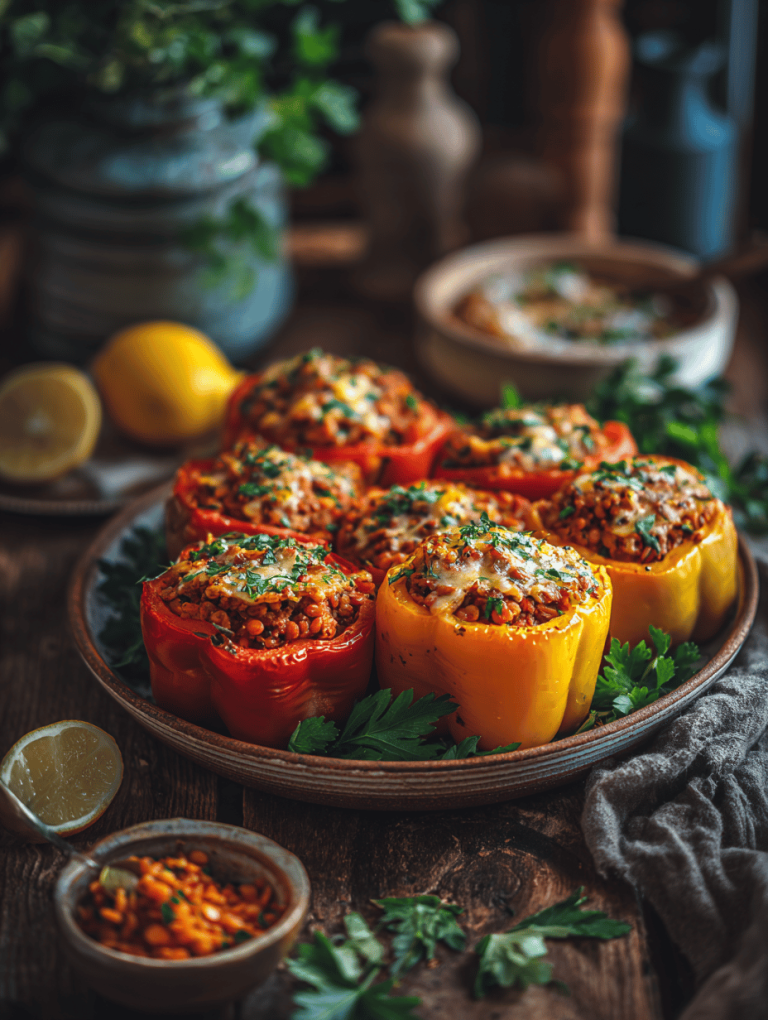
    This dish features bell peppers filled with a savory mixture of cooked rice, ground meat or lentils, fresh herbs, and cheese, then baked until tender and bubbly. The peppers are roasted to a slightly smoky sweetness, while the filling remains hearty and flavorful, with a pleasing contrast of textures. The final appearance is colorful, with melted cheese topping and a fragrant aroma that invites you to dig in.
    Prep Time 15 minutes
    Cook Time 45 minutes
    Total Time 1 hour
    Servings: 4
    Course: Main Course
    Cuisine: Comfort Food
    Calories: 320

    Ingredients
      

    • 4 large bell peppers tops sliced off and seeds removed
    • 1 cup cooked rice white or brown rice works well
    • 1/2 pound ground beef or lentils cooked and drained if using beef
    • 1 onion chopped
    • 2 cloves garlic minced
    • 2 tablespoons olive oil
    • 2 tablespoons chopped fresh herbs such as parsley or basil
    • 1 lemon lemon juice freshly squeezed
    • 1/2 cup shredded cheese cheddar, mozzarella, or your choice
    • to taste salt and pepper

    Equipment

    • Baking dish
    • Skillet
    • Knife
    • Spoon
    • Aluminum foil

    Method
     

    1. Preheat your oven to 190°C (375°F). Slice the tops off the bell peppers and carefully scoop out the seeds and membranes, creating a hollow cavity in each.
    2. Heat the olive oil in a skillet over medium heat until shimmering. Add the chopped onion and sauté until translucent and fragrant, about 5 minutes. Add the minced garlic and cook for another minute until fragrant.
    3. In a large mixing bowl, combine the cooked rice, cooked ground meat or lentils, chopped herbs, lemon juice, and a pinch of salt and pepper. Mix well to evenly distribute all ingredients.
    4. Spoon the filling into each hollowed-out pepper, pressing down gently to pack it in. Fill all peppers until they are generously stuffed but not overflowing.
    5. Arrange the filled peppers upright in a baking dish. Drizzle a little olive oil over the tops and cover the dish tightly with aluminum foil to trap moisture.
    6. Bake in the preheated oven for 35 to 40 minutes, until the peppers are tender and the filling is heated through, filling the kitchen with a savory aroma.
    7. Remove the foil and sprinkle the shredded cheese evenly over each stuffed pepper. Return to the oven uncovered and bake for another 5 minutes, until the cheese is melted and bubbly with a golden crust.
    8. Take the dish out of the oven and let the peppers rest for a few minutes. The cheese will set slightly, making them easier to serve.
    9. Garnish with additional chopped herbs if desired, and serve the stuffed peppers warm, enjoying the tender, smoky exterior with a flavorful, hearty filling.

    Notes

    Ensure peppers are evenly stuffed for balanced cooking. Check that the filling is hot and cheese is melted before serving. You can customize the filling with different herbs, grains, or cheeses for variety.
    This dish is a messy, comforting kind of dinner — the sort that makes you feel like you’re wrapping up a hug. It’s forgiving, customizable, and just the right amount of filling for a weeknight that’s screaming for something warm and satisfying. No matter how many times you make it, the smell of roasted peppers and seasoned filling always pulls you back.
    Enjoy tweaking the herbs, swapping out the protein, or even adding a drizzle of hot sauce to keep it your own. It’s the kind of meal that welcomes improvisation, so don’t stress the small stuff. Just dig in, plates in hand, and enjoy the simple joy of a homemade stuffed pepper.

  • Emeril Lagasse’s Jambalaya: A Deep Dive into the Soul of Creole Cooking

    Emeril Lagasse’s Jambalaya: A Deep Dive into the Soul of Creole Cooking

    Jambalaya has always been a dish of contradictions for me—simple ingredients, yet the layering of flavors feels like a small miracle. It’s a dish that reminds me of lazy Sunday afternoons and the chaos of family dinners. Making it from scratch means I get to control every spice and ingredient, turning a humble pot into something soulful.

    Why I Keep Returning to This Classic

    Every spoonful reminds me of lively gatherings and the chaos of making something from scratch. It’s forgiving enough to tweak, yet satisfying enough to master. The smoky, spicy aroma alone pulls me back, craving that comfort and pride in a dish I built myself.

    Inside the Ingredients: What Makes It Sing

    • Andouille sausage: Spicy, smoky, rich sausage that adds depth—swap with chorizo if unavailable.
    • Long-grain white rice: The backbone, absorbs flavors, keeps the texture light—try jasmine for an aromatic twist.
    • Holy trinity (onions, celery, bell peppers): Flavor foundation, fresh and vibrant—use shallots or fennel for different layers.
    • Crushed tomatoes: Adds acidity, sweetness, and body—use fire-roasted for a smoky kick.
    • Chicken stock: The savory liquid that keeps everything moist—vegetable broth works in a pinch.
    • Spices (paprika, cayenne, thyme): Brings warmth, heat, and aroma—adjust cayenne for your spice tolerance.
    • Garlic: A pungent punch of flavor—roasted garlic can deepen the sweetness.

    Tools of the Trade for a Perfect Jambalaya

    • Large heavy-bottomed pot or Dutch oven: Holds all ingredients and ensures even heat distribution.
    • Sharp chef’s knife: Chops vegetables, meats, and herbs precisely.
    • Wooden spoon: Stirs without scratching the pot and helps develop flavors.
    • Measuring cups and spoons: Keeps ingredients balanced and consistent.
    • Ladle: Serves the hearty dish without breaking the rice.

    The Cooking Journey: From Prep to Plate

    Step 1: Start with the holy trinity—onions, celery, and bell peppers. Chop everything finely; it’s the flavor base.

    Step 2: Cook the sausage slices until they’re browned and a little crispy, about 5 minutes over medium heat.

    Step 3: Add the chicken and cook until it’s no longer pink—about 8 minutes, stirring often.

    Step 4: Stir in garlic, paprika, cayenne, and thyme; cook until fragrant, around 1 minute.

    Step 5: Pour in crushed tomatoes and chicken stock; bring to a simmer.

    Step 6: Add the rice, cover, and reduce heat to low—let it cook gently for 20-25 minutes.

    Step 7: Check periodically to make sure it’s not drying out. If so, splash in a little more stock.

    Step 8: When the rice is tender and the flavors meld, remove from heat and let it rest, covered, for 10 minutes.

    Step 9: Fluff with a fork, taste, and adjust salt and pepper as needed.

    Cooking Checks and Tips to Keep It Real

    • The rice should be tender and slightly creamy, not mushy.
    • The dish should smell smoky, spicy, with a hint of tomato sweetness.
    • The sausage should be browned and crispy around the edges.
    • If the rice is undercooked, add a splash of hot chicken stock and cover again.

    Common Pitfalls and How to Dodge Them

    • Sausage is boiled rather than browned.? Use high heat when browning sausage to avoid steaming, not searing.
    • The rice is overcooked or sticking to the pot.? Add a splash of water if rice sticks to the bottom.
    • Too much charring on the bottom, making it bitter.? Reduce heat earlier if ingredients are burning.
    • Rice turns into porridge.? Stir less after adding stock to prevent mushiness.

    Classic Cajun Jambalaya

    This flavorful Cajun jambalaya is made by simmering spicy Andouille sausage, chicken, and aromatic vegetables with rice and bold spices. The dish develops a hearty, slightly creamy texture with a smoky aroma, showcasing vibrant layers of flavor. It’s a comforting one-pot meal perfect for gathering around the table.
    Prep Time 15 minutes
    Cook Time 35 minutes
    Total Time 50 minutes
    Servings: 6
    Course: Main Course
    Cuisine: Cajun
    Calories: 420

    Ingredients
      

    • 1 lb Andouille sausage sliced
    • 1 lb boneless chicken thighs cut into bite-sized pieces
    • 1 cup long-grain white rice rinsed
    • 1 large onion finely chopped
    • 1 stalk celery finely chopped
    • 1 large bell pepper finely chopped
    • 3 cloves garlic minced
    • 1 can crushed tomatoes 14 oz, fire-roasted if possible
    • 2 cups chicken stock
    • 1 teaspoon paprika
    • 0.5 teaspoon cayenne pepper adjust to spice preference
    • 1 teaspoon dried thyme
    • 2 tablespoons vegetable oil

    Equipment

    • Large heavy-bottomed pot or Dutch oven
    • Sharp chef’s knife
    • Wooden spoon
    • Measuring cups and spoons
    • Ladle

    Method
     

    1. Chop the onion, celery, and bell pepper into small, even pieces to create a colorful flavor base.
    2. Heat vegetable oil in your heavy-bottomed pot over medium heat until shimmering, then add the sliced sausage. Cook until browned and crispy around the edges, about 5 minutes, releasing a savory aroma.
    3. Add the chicken pieces to the pot and cook, stirring often, until no longer pink and slightly golden, about 8 minutes. This builds a rich, meaty foundation for the dish.
    4. Stir in the minced garlic, paprika, cayenne, and thyme, cooking for about 1 minute until fragrant and the mixture turns a deep, aromatic hue.
    5. Pour in the crushed tomatoes and chicken stock, stirring to combine everything and bring the mixture to a gentle simmer. You should see bubbling around the edges.
    6. Stir in the rinsed rice, making sure it’s evenly distributed in the liquid. Cover the pot and reduce the heat to low, allowing it to simmer gently for 20 to 25 minutes, until the rice is tender and has absorbed most of the liquid.
    7. Periodically check the dish, adding a splash of hot chicken stock if it begins to dry out, ensuring the rice stays moist and flavorful.
    8. Once the rice is tender and the flavors meld together, turn off the heat and let it rest, covered, for about 10 minutes. This helps the flavors settle and the dish develop a cohesive texture.
    9. Fluff the jambalaya gently with a fork to aerate the rice, then taste and adjust the salt and spice levels as needed. Serve hot, garnished with fresh herbs if desired.
    This jambalaya isn’t just a one-pot wonder; it’s a reminder of how simple ingredients can come together into something warm and complex. No matter how many times I make it, the smell of smoky sausage and spicy peppers still pulls me in. It’s a dish that feels like a hug—comforting, rich, and just a little bit fiery. So, dive in, make it your own, and enjoy the messy joy of cooking something that’s rooted in tradition but personal every time.