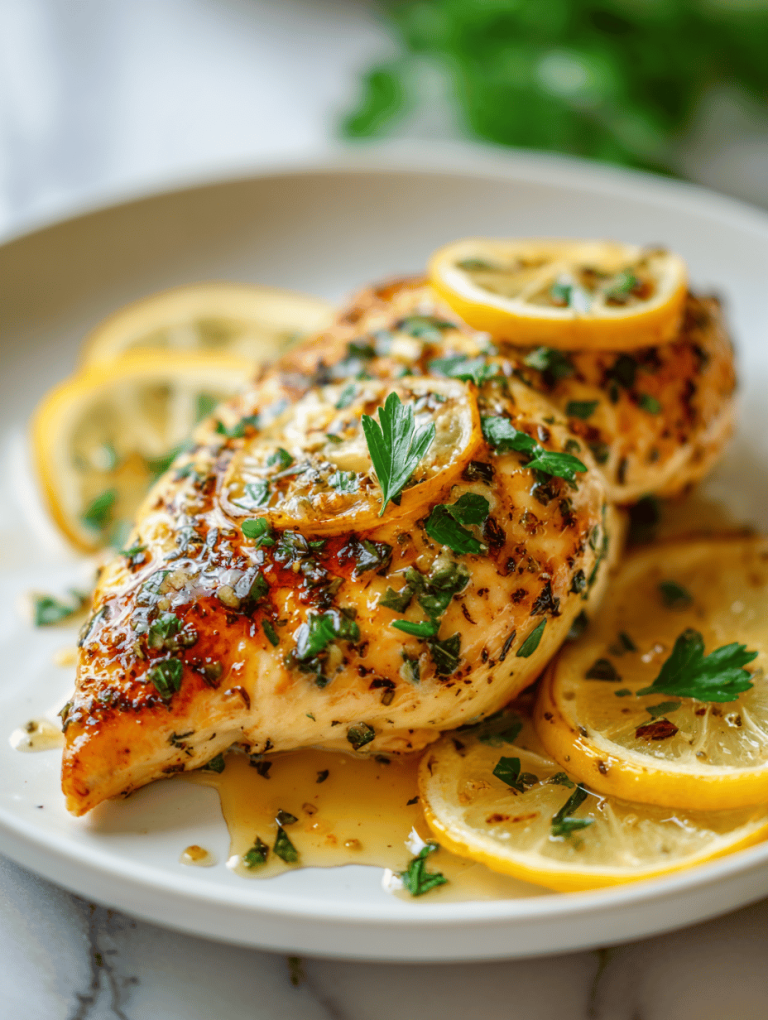
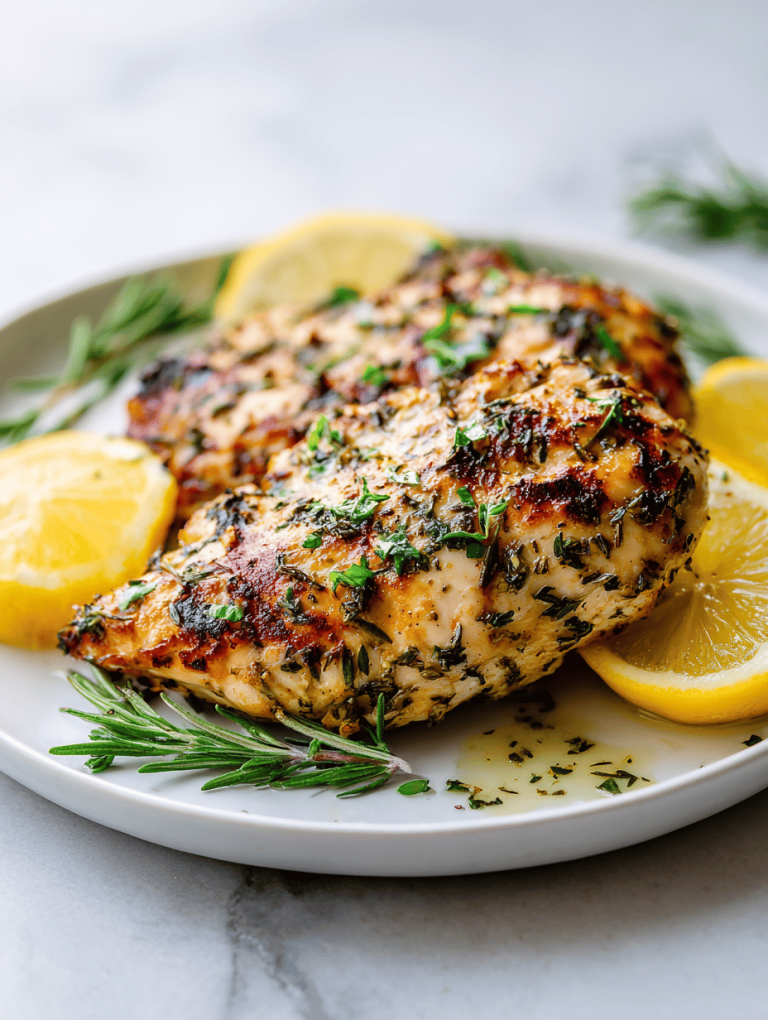
Category: Main Course

  • Vegan Stuffed Peppers Recipe

    Sometimes, the best dinners are the ones that feel like a little hug on a plate. These vegan stuffed peppers aren’t just colorful—they’re a cozy, satisfying way to pack a lot of flavor into one bite. The smell alone, roasted peppers mingling with garlic and herbs, makes the kitchen feel like a little sanctuary.

    What I love about this recipe is how forgiving it is. You can toss in leftover grains, a handful of greens, or even a dash of hot sauce to switch things up. It’s a dish that’s rooted in simplicity but blooms with personality, a true testament to what a humble vegetable can become.

    The Unspoken Comfort of a Fully Loaded Veggie Dinner

    Why I Keep Coming Back to This Recipe

    • I love how colorful and inviting these look on the plate.
    • There’s a quiet satisfaction in stuffing each pepper just right.
    • Sometimes, I toss in a handful of chopped nuts for texture, and it’s a game-changer.
    • I feel proud when I serve these to friends who aren’t expecting a vegan dish—surprise and delight.

    My story with stuffed peppers

    • It started as a way to use up leftover grains and veggies, but it became a weekly staple. The smell of roasting peppers, garlic, and herbs always pulls me into the kitchen. It’s honest, approachable, and endlessly adaptable.
    • • The filling’s flexibility means I can swap ingredients based on what’s in the fridge.
    • • The peppers’ natural sweetness balances the savory filling beautifully.
    • • The crispy edges after roasting bring a delightful textural contrast.

    The background of vegan stuffed peppers

    • Inspired by Mediterranean stuffed vegetables, but adapted for vegan ingredients.
    • Traditionally, stuffed peppers are filled with meat and rice, but this veggie version is just as hearty.
    • Peppers are a symbol of hospitality in many cultures, often used in festive dishes.
    • Using leftover grains or roasted vegetables makes this a zero-waste dish.

    Ingredient insights and tweaks

    • Bell peppers: First I pick firm, shiny peppers—crisp and bright. You want them sturdy enough to hold the filling.
    • Lemon juice: I love a squeeze of lemon for brightness. If you skip it, the dish feels dull and flat.
    • Herbs: Fresh herbs like parsley or cilantro add freshness. Dried herbs can work but lose some vibrancy.
    • Grains: Cooked quinoa or rice work well. Under-cooked grains make the filling gluey, so cook them just right.
    • Olive oil: For roasting and binding flavors. Use good-quality oil for that subtle fruitiness.

    Spotlight on bell peppers and herbs

    Bell peppers:

    • Their sweet, smoky aroma intensifies as they roast, becoming almost caramel-like.
    • They soften beautifully, holding their shape but yielding easily when cut.
    • Look for peppers with smooth, firm skin and vivid color for best results.

    Fresh herbs:

    • Herbs: Fresh parsley or cilantro brighten the filling, adding a grassy freshness that cuts through richness.
    • They release a fragrant aroma when chopped, making the kitchen smell alive.
    • Add herbs at the end to preserve their vibrant flavor.

    Smart substitutions for a flexible dish

    • Dairy-Free: Use coconut yogurt or tahini instead of dairy-based toppings for creaminess.
    • Grains: Swap quinoa with bulgur or millet for different textures and flavors.
    • Vegan Cheese: Nutritional yeast adds cheesy notes, but you can skip it or try vegan cheeses for richer flavor.
    • Herbs: Basil or mint can replace parsley or cilantro, bringing unique aromas.
    • Peppers: Use poblano or banana peppers if you want a different heat level or flavor profile.

    Equipment & Tools

    • Baking dish: To hold the peppers securely for roasting.
    • Sharp knife: To cut the tops off and prepare the peppers.
    • Mixing bowl: To combine the filling ingredients.
    • Spoon or scoop: To stuff the peppers.
    • Aluminum foil: To cover the dish and trap moisture.

    Step-by-step guide to perfect vegan stuffed peppers

    1. Preheat your oven to 180°C (350°F).
    2. Slice the tops off the peppers, remove seeds and membranes, and set aside.
    3. In a bowl, mix cooked grains, chopped veggies, herbs, salt, pepper, and a splash of olive oil.
    4. Stuff the peppers generously with the filling, pressing down slightly.
    5. Place peppers in a baking dish, standing upright. Cover with foil.
    6. Bake for 25-30 minutes, until peppers are soft and slightly blistered.
    7. Remove foil, sprinkle with a little more herbs or seeds, and bake uncovered for 5 more minutes.
    8. Let sit for 5 minutes after baking to settle flavors.
    9. Serve warm, with optional lemon or tahini drizzle.

    Let the stuffed peppers rest for 5 minutes before serving to allow flavors to meld.

    How to Know It’s Done

    • Peppers are tender but hold their shape.
    • Filling is hot and slightly caramelized on top.
    • Peppers are blistered and fragrant.

    Vegan Stuffed Peppers

    These colorful vegan stuffed peppers are roasted until tender and bursting with a savory filling made from grains, vegetables, and herbs. The dish features soft, caramelized peppers with a hearty, flavorful interior, perfect for a cozy and visually appealing dinner. The process involves roasting, stuffing, and baking to achieve a slightly blistered, golden finish.
    Prep Time 15 minutes
    Cook Time 35 minutes
    Total Time 50 minutes
    Servings: 4
    Course: Main Course
    Cuisine: Mediterranean
    Calories: 250

    Ingredients
      

    • 4 large bell peppers firm, shiny, and colorful
    • 1 cup cooked grains (quinoa or rice) just cooked and cooled slightly
    • 1 cup chopped vegetables (zucchini, cherry tomatoes, or spinach) optional, for extra flavor and texture
    • 2 tablespoons fresh herbs (parsley or cilantro) chopped finely
    • 2 cloves garlic minced
    • 2 tablespoons olive oil plus extra for drizzling
    • to taste salt and pepper adjust to preference
    • 1 tablespoon lemon juice for brightness

    Equipment

    • Baking dish
    • Sharp knife
    • Mixing bowl
    • Spoon or scoop
    • Aluminum foil

    Method
     

    1. Preheat your oven to 180°C (350°F). Place the whole peppers on a baking sheet and roast for about 15 minutes, turning occasionally until their skins are slightly blistered and softened. Remove from the oven and set aside to cool slightly.
    2. While the peppers cool, prepare the filling by mixing cooked grains, chopped vegetables, herbs, minced garlic, and olive oil in a bowl. Season with salt, pepper, and a squeeze of lemon juice, then stir until well combined.
    3. Carefully slice off the tops of the roasted peppers and remove their seeds and membranes with a spoon or your fingers, being gentle to keep their shape intact.
    4. Stuff each pepper generously with the prepared grain mixture, pressing down slightly to pack the filling in evenly.
    5. Arrange the stuffed peppers upright in a baking dish, then cover loosely with aluminum foil to trap moisture and help them cook evenly.
    6. Bake the peppers for 25 to 30 minutes, until they are tender and slightly blistered around the edges. The filling should be heated through and fragrant.
    7. Uncover the dish and bake for an additional 5 minutes to allow the tops to brown lightly and develop a slight crisp.
    8. Remove from the oven and let the peppers rest for 5 minutes, allowing the flavors to meld and making them easier to handle.
    9. Serve the stuffed peppers warm, drizzled with a little extra olive oil or lemon juice if desired, and enjoy their vibrant colors and cozy flavors.

    Tips & tricks for perfect stuffed peppers

    • THE HERBS: Fresh herbs release more fragrance when chopped finely.
    • SEAR VEGGIES: Sauté chopped veggies until slightly caramelized for depth.
    • TOSS GRAINS: Toast grains lightly before mixing for a nuttier flavor.
    • USE A HOT OVEN: Ensure even roasting with a preheated oven at 180°C.
    • DON’T OVERFILL: Keep filling just below the rim for neat, even baking.
    • PARALLEL PREP: Chop veggies while grains cook for efficiency.
    • LAYER FLAVOR: Season filling in stages for a more layered taste.

    Common mistakes and how to fix them

    • FORGOT TO POKE HOLES: Peppers may burst. Fix: Pierce with a fork before baking.
    • DUMPED TOO MUCH OIL: Filling feels greasy. Fix: Use sparingly, or dry toast grains first.
    • OVER-TORCHED PEPPERS: Blackened edges. Fix: Cover with foil early if browning too fast.
    • FILLING IS DRY: Tastes bland. Fix: Add a splash of veggie broth or lemon juice before baking.

    Fast fixes for common issues

    • When peppers are too tough, bake longer or slice thinner.
    • Splash a bit of water or broth if filling looks dry during baking.
    • Patch holes in peppers with bits of foil if they leak.
    • Shield peppers with foil if edges darken too quickly.
    • Shimmering oil on top? Brush with a little more before roasting for shine.

    Prepping and storing for busy days

    • Assemble the peppers a day ahead, then bake just before serving.
    • Filling leftovers can be refrigerated for 2-3 days; reheat thoroughly.
    • Frozen stuffed peppers keep well for up to a month, perfect for batch cooking.
    • Reheat in the oven at 160°C (320°F) for 10-15 mins, until fragrant and hot.

    10 Practical Q&As about Vegan Stuffed Peppers

    1. What kind of peppers work best?

    Use bell peppers that are firm, with crisp skin, and no soft spots for the best hold and texture.

    2. How do I know the filling is ready?

    Cook the filling until the grains are tender and the veggies are slightly caramelized for flavor depth.

    3. What’s the right oven temperature?

    Bake at 180°C (350°F) until the peppers are soft and slightly blistered, about 25-30 minutes.

    4. Why rest the peppers?

    Let the peppers rest for 5 minutes after baking to settle the flavors and make handling easier.

    5. How can I enhance the flavor before serving?

    Serve with a squeeze of lemon or a drizzle of tahini for added brightness and creaminess.

    6. How to cut the peppers neatly?

    Use a sharp knife to cut the peppers for easy serving and to avoid squishing the filling.

    7. What if the filling is too dry?

    If the filling seems dry, sprinkle a little vegetable broth or olive oil before baking.

    8. Can I prepare these in advance?

    To make ahead, assemble the peppers and store in the fridge for up to 24 hours before baking.

    9. How do I reheat without drying out?

    Reheat in the oven at 160°C (320°F) for about 10 minutes, until heated through and fragrant.

    10. How do I know when they are done?

    Check for doneness by probing with a fork; the peppers should be tender, and the filling hot and slightly crisp on top.

    Once out of the oven, the peppers should be a little blistered and smoky around the edges, the filling bubbling and fragrant. Rest them for a few minutes — it’s tempting to dig right in, but patience lets everything settle into a perfect harmony.

    These are not just a weeknight dinner; they’re a reminder that good, nourishing food doesn’t have to be complicated. They’re versatile, forgiving, and packed with flavor, perfect for when you need something hearty but wholesome.

  • Sweet Potato Carrot Soup Recipe

    This soup is my go-to on cold, grey days when I want something nourishing but with a slight kick of freshness. The unexpected splash of citrus at the end keeps it from feeling too heavy, even when the weather outside feels relentless.

    I started making this after a trip to a market where I found the sweetest orange carrots and plump sweet potatoes. I realized that roasting them before blending adds a smoky depth I didn’t expect, making the whole bowl feel richer.

    From a cook who loves transforming humble root vegetables into something soul-warming but with a twist of brightness and depth.

    Why this soup is my winter staple

    • I love how roasting caramelizes the natural sugars, making the soup inherently sweet.
    • Sometimes I add a dash of cumin or coriander for a subtle spice—it’s a small tweak that makes a big difference.
    • Having this soup simmer on the stove fills my kitchen with a warm, sweet aroma that feels like a hug.
    • Sharing this dish with friends always sparks conversations about childhood favorites and simple pleasures.

    Personal story behind the recipe

    • I was experimenting with roasting vegetables for a different kind of soup when I stumbled upon this combo. The natural sweetness of the carrots and sweet potatoes, paired with the smoky roasted notes, just clicked.
    • It’s become a comfort food for me, especially when I want something hearty but not heavy. Plus, it’s endlessly customizable—spice it up or keep it mellow.
    • The moment I add the citrus at the end, I feel like I’ve lifted the whole dish into a fresh, lively space. It’s a simple trick that brightens everything.

    The roots and history of sweet potato and carrot cooking

    • This soup is inspired by the earthy sweetness of root vegetables common in many winter cuisines.
    • Sweet potatoes were originally cultivated in Central and South America, treasured for their versatility.
    • Carrots, once purple or white, have been bred into the orange variety we love today, a nod to Dutch innovation.
    • The practice of roasting vegetables to deepen flavor dates back centuries, especially in rustic European cooking.

    Ingredient insights and tweaks

    • Sweet Potato: I love its creamy texture and natural sweetness, but yams work well too if you prefer a drier finish.
    • Carrots: They add bright, earthy sweetness; use heirloom or organic for best flavor and color.
    • Onion & Garlic: Foundations of flavor—skip or reduce for a milder soup, but they’re essential for depth.
    • Vegetable Broth: I prefer homemade or low-sodium store-bought; it keeps the focus on the vegetables.
    • Citrus: Brightens the whole bowl; a little zest or juice transforms the flavor—don’t skip this.

    Spotlight on sweet potatoes and carrots

    Sweet Potatoes:

    • When roasting, they become sweet and tender, with caramelized edges that intensify flavor.
    • Carrots: They release a fragrant sweetness and slightly earthy aroma, especially when roasted.

    Carrots:

    • Sweet potatoes turn velvety when pureed, adding richness to every spoonful.
    • Their natural sugar caramelizes beautifully in the oven, creating a smoky accent.

    Ingredient swap notes

    • Dairy-Free: Use coconut cream or yogurt instead of dairy for a creamy, tangy twist.
    • Vegan: Swap chicken broth with veggie broth, and skip the yogurt topping.
    • Extra Spicy: Add a pinch of cayenne or chili flakes to boost heat.
    • Low-Sugar: Use less or no added citrus if you want a milder, earthier flavor.
    • Gluten-Free: Naturally gluten-free, just ensure your broth or any added toppings are safe.

    Equipment & Tools

    • Large roasting tray: To roast vegetables evenly.
    • Heavy-bottomed pot: For simmering and blending.
    • Immersion blender or regular blender: To puree the soup smoothly.
    • Knife and chopping board: To prepare vegetables and aromatics.
    • Ladle and serving bowls: To serve the soup elegantly.

    Step-by-step guide to your sweet potato carrot soup

    1. Preheat your oven to 200°C (390°F). Peel and chop 2 large sweet potatoes and 3 carrots into chunks.
    2. Toss the vegetables with olive oil, salt, and a pinch of smoked paprika. Roast for 25-30 minutes until caramelized.
    3. In a large pot, sauté 1 diced onion and 2 minced garlic cloves in a tablespoon of oil until translucent, about 5 minutes.
    4. Add the roasted vegetables to the pot. Pour in 4 cups of vegetable broth and bring to a simmer.
    5. Cook gently for 15 minutes, until the flavors meld and vegetables are very tender.
    6. Use an immersion blender or transfer to a blender to puree until smooth. Return to the pot.
    7. Stir in a splash of orange juice or lemon zest, then season with salt, pepper, and a pinch of cayenne.
    8. Let the soup rest off the heat for 10 minutes to develop flavor.
    9. Serve hot, drizzled with olive oil or a dollop of yogurt, and a sprinkle of fresh herbs.

    Allow the soup to rest for 10 minutes after blending, uncovered, to let flavors settle. Finish with a drizzle of olive oil or a dollop of yogurt before serving.

    How to Know It’s Done

    • Check for a deep amber color on roasted vegetables.
    • Smell should be sweet, smoky, with a hint of citrus.
    • Vegetables should be soft and easily pierced with a fork.

    Roasted Sweet Potato and Carrot Soup with Citrus Finish

    This vibrant soup features roasted sweet potatoes and carrots blended into a creamy, velvety base, enhanced by a smoky depth from caramelization. Finished with a splash of citrus, it offers a bright, comforting bowl perfect for chilly days, with a smooth texture and subtle smoky sweetness.
    Prep Time 15 minutes
    Cook Time 45 minutes
    Total Time 1 hour
    Servings: 4
    Course: Main Course
    Cuisine: Healthy, Winter
    Calories: 180

    Ingredients
      

    • 2 large sweet potatoes peeled and chopped
    • 3 medium carrots peeled and chopped
    • 1 medium onion diced
    • 2 cloves garlic minced
    • 4 cups vegetable broth preferably homemade or low-sodium
    • 1 tablespoon olive oil for roasting and sautéing
    • 1 pinch smoked paprika optional, for roasting
    • 1 orange orange for juice or zest
    • to taste salt and pepper for seasoning

    Equipment

    • Large roasting tray
    • Heavy-bottomed pot
    • Immersion blender or regular blender
    • Knife and chopping board
    • Ladle and serving bowls

    Method
     

    1. Preheat your oven to 200°C (390°F). Peel and chop the sweet potatoes and carrots into even-sized chunks, about 1-2 inches.
    2. Toss the chopped vegetables with olive oil, a pinch of smoked paprika, salt, and pepper. Spread them evenly on a large roasting tray.
    3. Roast the vegetables in the oven for 25-30 minutes, until they are caramelized and tender, filling your kitchen with a sweet, smoky aroma.
    4. Meanwhile, dice the onion and mince the garlic. In a large pot, heat a tablespoon of olive oil over medium heat. Sauté the onion and garlic until translucent and fragrant, about 5 minutes.
    5. Add the roasted vegetables to the pot. Pour in the vegetable broth and bring to a gentle simmer.
    6. Let the mixture simmer for about 15 minutes, allowing the flavors to meld and the vegetables to soften fully.
    7. Use an immersion blender or transfer the soup in batches to a blender. Puree until smooth and velvety, then return it to the pot.
    8. Juice the orange or grate some zest, then stir it into the soup. Season with additional salt, pepper, and adjust the citrus to taste.
    9. Let the soup rest off the heat for about 10 minutes to allow the flavors to deepen. Taste and adjust seasoning if needed.
    10. Serve the hot soup in bowls, garnished with a drizzle of olive oil, a dollop of yogurt if desired, or fresh herbs for a bright finish.

    Notes

    For extra depth, add a pinch of cumin or coriander before blending. The citrus brightens the soup, so don’t skip it! This soup keeps well refrigerated for up to 3 days and tastes even better the next day.

    Tips and tricks for perfect soup

    • Roast vegetables for richer flavor. Don’t skip this step for depth.
    • Use immersion blender for quick, smooth results. Avoid over-blending to keep some body.
    • Add citrus at the end for brightness. It balances sweetness beautifully.
    • Taste and adjust seasoning after resting. Flavors meld and evolve.
    • Incorporate a splash of good quality olive oil before serving for richness.

    Common mistakes and how to fix them

    • FORGOT to season early? Add salt and pepper during simmering for layered flavor.
    • DUMPED in all the broth at once? Add gradually, tasting as you go to avoid thinning the soup too much.
    • OVER-TORCHED the garlic? Start over with fresh garlic; burnt flavors are bitter.
    • Lacked smoothness? Pass the soup through a fine sieve or strain for an ultra-silky texture.

    Fast fixes for common hiccups

    • When too thick, splash in hot broth and blend briefly to loosen.
    • If too bland, add a squeeze of lemon or a dash of vinegar to brighten.
    • Splash a little coconut milk or cream for extra creaminess and flavor.
    • Patch over-salted soup with a peeled, raw potato for quick salt absorption.
    • When missing a garnish, sprinkle with toasted seeds or chopped herbs for texture and flavor.

    Prep ahead, store, and reheat tips

    • Roast vegetables the day before, then refrigerate in an airtight container for up to 2 days.
    • The soup can be made entirely a day ahead; reheat gently on the stove, stirring occasionally.
    • Flavor deepens after a night in the fridge, so it tastes even better the next day.
    • Reheat in a pot over medium heat until steaming and hot, about 5-7 minutes, adjusting with a splash of broth if needed.

    10 practical Q&As about Sweet Potato Carrot Soup

    1. What’s the best pot to cook this soup in?

    Use a large, heavy-bottomed pot to ensure even heat and prevent scorching.

    2. Should I roast the vegetables before blending?

    Roast the sweet potatoes and carrots first for a deeper, smoky flavor.

    3. How can I make the soup more vibrant in flavor?

    Add a splash of orange juice or lemon zest at the end for brightness.

    4. How do I know when the vegetables are tender enough?

    Simmer until the vegetables are soft and easily pierced with a fork.

    5. Is it better to blend the soup fully or leave some texture?

    Puree the soup until smooth, then strain if you want extra silkiness.

    6. How do I balance the sweetness and spice?

    Adjust seasoning with salt, pepper, and a pinch of cayenne for a gentle kick.

    7. Should I serve immediately or let it sit?

    Let the soup rest for 10 minutes after blending to let flavors meld.

    8. Can I substitute fresh ginger with ground ginger?

    Use fresh ginger for a zing, or ground ginger for convenience.

    9. What are nice finishing touches?

    Top with a drizzle of good olive oil or a dollop of yogurt.

    10. How long does the soup keep?

    Store leftovers in airtight containers for up to 3 days in the fridge.

    A bowl of this soup isn’t just about comfort; it’s about giving those simple ingredients a moment to shine. It’s easy to make, quick to finish, and somehow always feels like a little celebration of the season.

    In the end, it reminds me that the best dishes often come from just a few humble ingredients, treated well and with enough love.

  • Easy Vegan Potato Soup Recipe

    When I make this vegan potato soup, I think about how simple ingredients can transform into something warm and satisfying. It’s not fancy, but the smell of simmering potatoes and onions fills the kitchen with a promise of comfort.

    There’s a kind of magic in blending part of the soup, turning it velvety without losing the hearty chunks—like a hug in a bowl. It’s the kind of dish that makes you slow down, savor each spoonful, and feel grateful for everyday ingredients.

    Focusing on the comforting, homely aspect of potato soup, but with a twist — emphasizing the sensory experience of blending and texture, making it a cozy yet engaging dish to prepare on a quiet weekend.

    Why this recipe matters to me

    • I love how this soup feels like a warm blanket on a cold day.
    • Sometimes I get carried away blending too much—remember to leave some texture.
    • I find that a splash of lemon makes all the flavors pop—don’t skip it.
    • This dish reminds me of quiet weekend mornings, simple and satisfying.

    The story behind my favorite potato soup

    • A few years ago, I was craving something warm and easy after a long day. I had potatoes, onions, and a desire for comfort.
    • That night, I threw everything into a pot, blended part of it, and ended up with a soup that felt like a hug.
    • It’s become a go-to when I need a quick, nourishing meal that’s flexible and forgiving.

    Origin and trivia of potato soup

    • Potato soup has roots in peasant cuisine across Europe, where humble ingredients were turned into hearty meals.
    • The use of blended potatoes to create a creamy texture predates commercial cream, relying instead on natural starches.
    • Yukon Gold potatoes were developed in Canada in the 1980s, prized for their buttery flavor and smooth texture, perfect for soups.
    • Adding lemon juice at the end brightens the dish, balancing the earthiness of potatoes and onions.

    Ingredient breakdown insights

    • Potatoes: First-person, I love Yukon Gold for their buttery flavor and smooth texture. Swap with sweet potatoes for sweetness or cauliflower for a lighter version.
    • Onion: Adds sweetness and depth. Use shallots for milder flavor, or leeks for a subtle onion note.
    • Garlic: Brings warmth and aroma. Roast garlic beforehand for a smoky twist.
    • Vegetable broth: The flavor base. Use homemade for richness or water plus miso for a quick fix.
    • Lemon juice: Brightens everything. Lime can add a different citrus note.

    Spotlight on potatoes and onions

    Potatoes:

    • Yukon Gold potatoes: Creamy, buttery, and hold shape well. Watch for them turning mushy if overcooked.
    • Onions: Caramelize slightly for sweetness, but keep an eye on the heat to avoid burning.

    Onions:

    • When sautéed until translucent, they release a sweet aroma that fills the kitchen.
    • Onion slices should become soft and slightly golden, indicating they’re sweet and ready.
    • Onions are the backbone of flavor—don’t rush the sauté.

    Ingredient substitutions to customize your soup

    • Broth: Use water with a pinch of nutritional yeast or miso to mimic depth.
    • Potatoes: Sweet potatoes give a different sweetness and vibrant color.
    • Onions: Leeks can substitute for a milder, more delicate flavor.
    • Garlic: Shallots or garlic powder for a subtler or more convenient option.
    • Lemon juice: Lime or vinegar for a different bright note.

    Equipment & Tools

    • Large pot: Cook and simmer ingredients.
    • Immersion blender or regular blender: Puree part of the soup for texture.
    • Knife and chopping board: Prep vegetables.
    • Measuring spoons and cups: Accurately measure ingredients.
    • Ladle: Serve the soup.

    Step-by-step guide to making vegan potato soup

    1. Gather your tools: a large pot, an immersion blender or regular blender, and a spoon.
    2. Peel and dice about 4 large potatoes into 2 cm cubes. Set aside.
    3. Dice one large onion and mince 2 cloves of garlic.
    4. In the pot, heat 1 tbsp olive oil over medium. Add onion and garlic. Cook until fragrant, about 5 mins, stirring frequently.
    5. Add diced potatoes and 4 cups vegetable broth. Bring to a boil, then lower to simmer. Cook until potatoes are very tender, about 15-20 mins.
    6. Check for doneness: potatoes should be easily pierced and the broth slightly reduced.
    7. Use an immersion blender directly in the pot to blend about half of the soup until smooth, leaving some chunks. Or, transfer half to a regular blender, blend, then return to the pot.
    8. Taste and adjust seasoning with salt, pepper, and a squeeze of lemon juice. Simmer for another 2 mins.
    9. Serve hot, topped with herbs or nutritional yeast.
    10. Rest for 5 mins before serving to allow flavors to meld.

    Let the soup rest for 5 minutes after blending to allow flavors to meld. Serve warm, garnished as desired.

    How to Know It’s Done

    • Potatoes are tender and easily pierced.
    • Soup achieves a velvety, slightly chunky texture.
    • Flavor is balanced with seasoning and acidity.

    Vegan Potato Soup

    This vegan potato soup combines simple ingredients like Yukon Gold potatoes and onions, simmered until tender and then blended to create a velvety texture with hearty chunks remaining. The process involves sautéing, simmering, and blending, resulting in a warm, comforting bowl with a smooth yet chunky appearance. Finished with a splash of lemon for brightness, it’s a cozy dish perfect for quiet weekends or chilly days.
    Prep Time 10 minutes
    Cook Time 30 minutes
    Total Time 40 minutes
    Servings: 4
    Course: Main Course
    Cuisine: Comfort Food
    Calories: 250

    Ingredients
      

    • 4 large Yukon Gold potatoes peeled and diced into 2 cm cubes
    • 1 large onion diced
    • 2 cloves garlic minced
    • 4 cups vegetable broth preferably homemade or good quality store-bought
    • 1 tablespoon olive oil for sautéing
    • to taste salt and pepper adjust at the end of cooking
    • 1 tablespoon lemon juice brightens the flavor, add at the end

    Equipment

    • Large pot
    • Immersion blender or regular blender
    • Knife and chopping board
    • Measuring spoons and cups
    • Ladle

    Method
     

    1. Start by heating a large pot over medium heat and add a tablespoon of olive oil. Once shimmering, add the diced onion and cook until translucent and fragrant, about 5 minutes, stirring occasionally.
    2. Add the minced garlic to the pot and cook for another minute until fragrant, being careful not to burn it. The kitchen will fill with a warm, savory aroma.
    3. Stir in the diced potatoes, coating them with the onion and garlic mixture. Cook for 2-3 minutes as the potatoes start to absorb the flavors.
    4. Pour in the vegetable broth and bring the mixture to a gentle boil. Once bubbling, reduce the heat to low, cover, and let simmer until the potatoes are very tender, about 15-20 minutes.
    5. Check that the potatoes are soft by piercing a few with a fork; they should yield easily. Remove the pot from heat.
    6. Use an immersion blender directly in the pot to blend about half of the soup until smooth, leaving some chunks for texture, or transfer half to a regular blender, blend, then return to the pot.
    7. Season the soup with salt and pepper to taste, then add a tablespoon of lemon juice to brighten the flavors. Stir well and let simmer for another 2 minutes.
    8. Taste and adjust seasoning if needed, adding more salt, pepper, or lemon juice as desired. The soup should be velvety with some hearty chunks remaining.
    9. Ladle the hot soup into bowls and serve immediately, garnished with herbs or nutritional yeast if you like. Enjoy its comforting warmth and creamy-chunky texture!

    Notes

    Remember to leave some of the potatoes unblended for texture, and don’t skip the splash of lemon to brighten the dish.

    Cooking tips and tricks

    • Use starchy potatoes for natural thickening—no need for extra thickeners.
    • Sauté onions and garlic until fragrant but not browned, for a sweeter flavor.
    • Blend part of the soup for creaminess, but leave some chunks for texture.
    • Add lemon or vinegar at the end to brighten flavors.
    • Keep the heat moderate during blending to prevent splatters.

    Common mistakes and how to fix them

    • FORGOT to salt the water? Add salt during simmering to enhance flavor.
    • DUMPED all the broth in one go? Add gradually, tasting as you go, for balanced seasoning.
    • OVER-TOASTED the garlic? Quickly add a splash of water or broth to stop burning.
    • SCOURED the soup? Scrape the bottom, add a little water, and keep stirring.

    Quick kitchen fixes

    • When soup is too thick, splash in hot broth and stir until smooth.
    • If bland, add a splash of soy sauce or miso for umami.
    • Splash some lemon juice if flavors are dull or flat.
    • Patch over a burnt bottom by transferring unburned soup to a new pot.
    • Shield over-salted soup with a raw potato for 10 mins, then remove.

    Make-ahead and storage tips

    • Peel and dice potatoes ahead of time, store in water in the fridge for 24 hours.
    • Soup keeps well in the fridge for up to 4 days; reheat gently on the stove, stirring.
    • For longer storage, freeze in airtight containers for up to 3 months.
    • Reheat until steaming and adjust seasoning as needed, adding a splash of water or broth to loosen.

    10 Practical Q&As about Easy Vegan Potato Soup

    1. What kind of potatoes work best?

    Use starchy potatoes like Russets or Yukon Gold for creaminess and smooth texture.

    2. How do I know when the potatoes are done?

    Cook until potatoes are very tender, easily pierced with a fork, about 15-20 minutes.

    3. Should I blend all or some of the soup?

    Blend part of the soup for a thicker texture, leaving some chunks for contrast.

    4. How can I enhance the flavor?

    Adjust salt and pepper to taste after blending, and add a splash of lemon juice for brightness.

    5. Can I use store-bought broth?

    Use a good vegetable broth for depth; homemade is ideal if you have time.

    6. How should I reheat the soup?

    Leftovers keep well in the fridge for 3-4 days, reheat gently on the stove.

    7. How do I make it creamier when reheating?

    Add a splash of plant-based milk or a drizzle of olive oil before serving for richness.

    8. What if the soup thickens too much?

    If the soup is too thick after cooling, thin with a bit more broth or water.

    9. What are good toppings?

    Top with chopped green onions, fresh herbs, or a sprinkle of nutritional yeast for extra flavor.

    10. Is this soup gluten or soy free?

    This soup is naturally gluten-free and can be made soy-free by choosing appropriate broth and seasonings.

    This soup is one of those recipes that feels like a little act of kindness. It’s easy to throw together, especially on a chilly day when you need something nourishing and straightforward.

    Plus, it’s flexible—add your favorite herbs or a dash of spice to make it your own. Sometimes, it’s the simplest dishes that stick with us longest, warming us from the inside out.

  • Vegan Lentil Soup Recipe

    On some days, I crave more than just a meal—I need a bowl that feels like a warm conversation. This vegan lentil soup is my go-to, especially when the kitchen feels too busy for anything fancy. It’s straightforward, filling, and the kind of dish that tastes like a hug in a bowl amidst the chaos.

    What I love about this soup is how forgiving it is. You can toss in whatever vegetables are lingering in the fridge, and it still turns out hearty. The smell of simmering lentils with garlic and cumin? That’s the kind of thing that pulls you into your own kitchen, promising comfort and nourishment.

    The unpolished, honest cook’s notes on making a hearty, soulful vegan lentil soup.

    Why this vegan lentil soup matters to me

    • This soup reminds me of my grandmother’s kitchen, where the smell of cumin and garlic filled the air.
    • I love how versatile this dish is—perfect for a quick lunch or a hearty dinner after a long day.
    • There’s a quiet pride in making something from scratch, especially when it’s as nourishing as this.

    My journey with this humble, hearty soup

    • I started making this soup during a hectic week when I needed something comforting yet simple. It became my go-to because it’s forgiving—if I forget to soak the lentils or run out of fresh herbs, I improvise.
    • The key was always the slow simmer, which turned humble ingredients into something soulful. I love how the flavors deepen overnight, making leftovers even better.
    • Cooking this soup is a small act of self-care, a reminder that good, honest food doesn’t need to be complicated.

    Historical and cultural notes on lentil soup

    • Lentils have been a staple in human diets for over 9,000 years, dating back to ancient Mesopotamia.
    • This recipe draws inspiration from Middle Eastern and Mediterranean traditions, where lentils are a common comfort food.
    • Green and brown lentils are preferred for their ability to hold shape, but red lentils cook faster and become creamier.

    Ingredient insights and tweaks

    • Lentils: I prefer green or brown—they hold shape and have a hearty bite. Swap with red lentils for a softer, mushier soup.
    • Onions: They build the base flavor—sauté until golden for sweetness. Skip if in a hurry, but you’ll miss that depth.
    • Carrots: Add sweetness and color. Use parsnips for a more earthy, subtle sweetness.
    • Garlic: It’s the aroma that pulls it all together. Use fresh for punch, or garlic powder in a pinch.
    • Cumin: Toast briefly to unlock smoky, warm notes. A dash of smoked paprika can add a subtle ember-like flavor.

    Spotlight on Lentils and Garlic

    Lentils:

    • They absorb flavors beautifully and become tender yet hold their shape. Rinse well to remove any grit.
    • Garlic: It releases a warm, pungent aroma when sautéed, and mellows into a sweet, nutty flavor as it cooks.

    Garlic:

    • Lentils: They cook faster than beans, making this soup quick to throw together. Keep an eye on them to prevent mush.
    • Lentils: Their earthy scent intensifies as they cook, filling the kitchen with a comforting aroma.

    Smart ingredient swaps for your pantry and fridge

    • Broth: Use water with added herbs and spices for a lighter, more neutral base.
    • Vegetables: Add sweet potatoes or squash for a seasonal twist.
    • Herbs: Use dried thyme or oregano if fresh isn’t available.
    • Spices: A pinch of cinnamon or turmeric can add warmth and depth.
    • Oil: Swap olive oil for coconut or sesame oil for a different flavor profile.

    Equipment & Tools

    • Large pot: Cook the lentils and simmer the soup
    • Ladle: Serve the soup
    • Knife and cutting board: Chop vegetables and herbs
    • Measuring cups and spoons: Measure liquids and spices

    Step-by-step guide to making vegan lentil soup

    1. Rinse lentils thoroughly under cold water, removing any debris. Set aside.
    2. Heat a large pot over medium heat. Add a splash of oil, then diced onion and carrot. Cook until soft, about 5 minutes.
    3. Add minced garlic and a teaspoon of cumin. Cook until fragrant, about 30 seconds.
    4. Pour in 1.5 liters (6 cups) of vegetable broth. Bring to a boil.
    5. Add lentils, reduce heat to a simmer (about 85°C/185°F). Cook uncovered for 30-40 minutes, until lentils are tender.
    6. Stir occasionally. If the soup gets too thick, add a splash more broth or water.
    7. Taste and adjust salt and pepper. If you want a creamier texture, mash some lentils with the back of a spoon.
    8. Finish with a squeeze of lemon juice and chopped herbs. Serve warm.

    Let the soup sit for 5 minutes after cooking. Garnish with fresh herbs and a drizzle of olive oil before serving.

    How to Know It’s Done

    • Lentils are tender but not mushy.
    • Soup has a rich, earthy aroma with hints of cumin and garlic.
    • The broth is slightly thickened, and lentils break apart easily when pressed.

    Vegan Lentil Soup

    This hearty vegan lentil soup combines tender lentils simmered with garlic, cumin, and a medley of vegetables, resulting in a comforting, thick broth with soft, bite-sized lentils. The dish is versatile and forgiving, perfect for a quick, nourishing meal that feels like a warm hug in a bowl. The final texture is rich and slightly chunky, with a fragrant aroma that invites you to dig in.
    Prep Time 10 minutes
    Cook Time 40 minutes
    Total Time 50 minutes
    Servings: 4
    Course: Main Course
    Cuisine: Mediterranean, Middle Eastern
    Calories: 250

    Ingredients
      

    • 1 cup green or brown lentils rinsed
    • 1 medium onion diced
    • 2 carrots carrots diced
    • 3 cloves garlic minced
    • 1 teaspoon ground cumin toasting enhances flavor
    • 6 cups vegetable broth or water with herbs
    • 2 tablespoons olive oil for sautéing
    • to taste salt and pepper adjust at the end
    • 1 lemon lemon for juice at the end
    • fresh herbs parsley or cilantro chopped, for garnish

    Equipment

    • Large pot
    • Ladle
    • Knife and cutting board
    • Measuring cups and spoons

    Method
     

    1. Rinse the lentils thoroughly under cold water until the water runs clear. Set aside.
    2. Heat the large pot over medium heat and add the olive oil. Once shimmering, toss in the diced onion and carrots. Cook, stirring occasionally, until the vegetables are soft and fragrant, about 5 minutes, and the onions are translucent.
    3. Add the minced garlic and a teaspoon of ground cumin to the pot. Cook for about 30 seconds until the garlic is fragrant, stirring constantly to avoid burning.
    4. Pour in the vegetable broth, and bring the mixture to a gentle boil. This will fill your kitchen with a warm, earthy aroma.
    5. Stir in the rinsed lentils, reduce the heat to maintain a gentle simmer, and cook uncovered for 30 to 40 minutes. The lentils will become tender and start to break down slightly, thickening the soup naturally.
    6. Occasionally stir the soup to prevent sticking. If it thickens too much before the lentils are cooked, add a splash more broth or water to keep it saucy.
    7. Once the lentils are tender and the soup has thickened to your liking, taste and season with salt and pepper. For a creamier texture, mash some of the lentils with the back of a spoon.
    8. Finish by squeezing fresh lemon juice into the soup and stirring in chopped herbs for brightness and freshness. Give it a final taste and adjust seasonings as needed.
    9. Ladle the hot soup into bowls and garnish with extra herbs if desired. Serve immediately and enjoy the comforting aroma and hearty texture.

    Cooking tips & tricks for a perfect vegan lentil soup

    • TEMP CONTROL: Keep simmering gentle—too high, and lentils break apart; too low, and they take longer.
    • SPICE TEST: Toast cumin briefly to release aroma before adding liquids.
    • TEXTURE: Mash some lentils for a creamier consistency or leave whole for texture.
    • FLAVOR: Use a good quality vegetable broth for depth—homemade if possible.
    • GARNISH: Finish with fresh herbs and lemon for brightness that cuts through the earthiness.

    Common mistakes and how to fix them

    • FORGOT TO RINSE LENTILS: Rinse them thoroughly to remove dust and improve digestibility.
    • DUMPED TOO MUCH WATER: Keep an eye on the liquid level—add more broth if it gets too thick.
    • OVER-TOASTED GARLIC: If garlic turns bitter, add a splash of water to deglaze and mellow the flavor.
    • SALT TOO EARLY: Add salt toward the end to keep lentils tender and flavors balanced.

    Quick fixes for common kitchen surprises

    • When too salty, add a peeled potato to absorb excess salt.
    • Splash in a bit of vinegar or lemon juice to brighten dull flavors.
    • Patch over a too-thick soup with hot water or broth, then simmer briefly.
    • Shield burnt bits by transferring the soup to a new pot, avoiding the scorched layer.
    • When herbs are past their prime, add fresh at the end for a burst of brightness.

    Preparing ahead and storing for maximum comfort

    • Chop vegetables and store in an airtight container in the fridge for up to 2 days.
    • Cooked lentils can be stored in the fridge for 3-4 days or frozen for up to a month.
    • Flavor improves with a day in the fridge—more melded and layered.
    • Reheat on the stove over medium-low heat, stirring gently, until steaming hot. Add a splash of water if it thickens too much.

    10 Practical Q&As About Vegan Lentil Soup

    1. Can I use different lentils?

    Use brown or green lentils for a softer, more traditional texture. Rinse well before cooking.

    2. How long do I cook the lentils?

    Simmer the soup gently—about 30-40 minutes—until lentils are tender but not mushy.

    3. When should I add salt?

    Add salt at the end to keep the lentils from becoming tough. Start with a teaspoon.

    4. Should I add acid during cooking?

    A splash of lemon juice brightens the flavors right before serving.

    5. Can I blend part of the soup?

    Keep the soup slightly chunky or mash some lentils for a creamier texture.

    6. When do I add herbs?

    Stir in fresh herbs like parsley or cilantro just before serving for a fresh flavor burst.

    7. How long does it last?

    This soup is best enjoyed warm but can be stored in the fridge for 3 days.

    8. How do I reheat leftovers?

    Reheat on the stove over medium-low heat, stirring occasionally until hot.

    9. Can I substitute broth?

    Use vegetable broth for depth or water for a lighter, quicker version.

    10. How can I customize the flavor?

    Adjust spices according to taste—more cumin or a pinch of smoked paprika adds depth.

    This soup has become a small ritual in my weekly routine—something grounding about its simple ingredients and slow simmer. It’s perfect for those evenings when I want something honest and warm, no frills, just good food.

    And honestly, it’s the kind of dish that tastes even better the next day. Leftovers develop a richer flavor, and the lentils soak up all those spices beautifully. A pot of this on the stove can turn any day into a quiet, satisfying moment.

  • dinner recipes with chicken breast

    dinner recipes with chicken breast

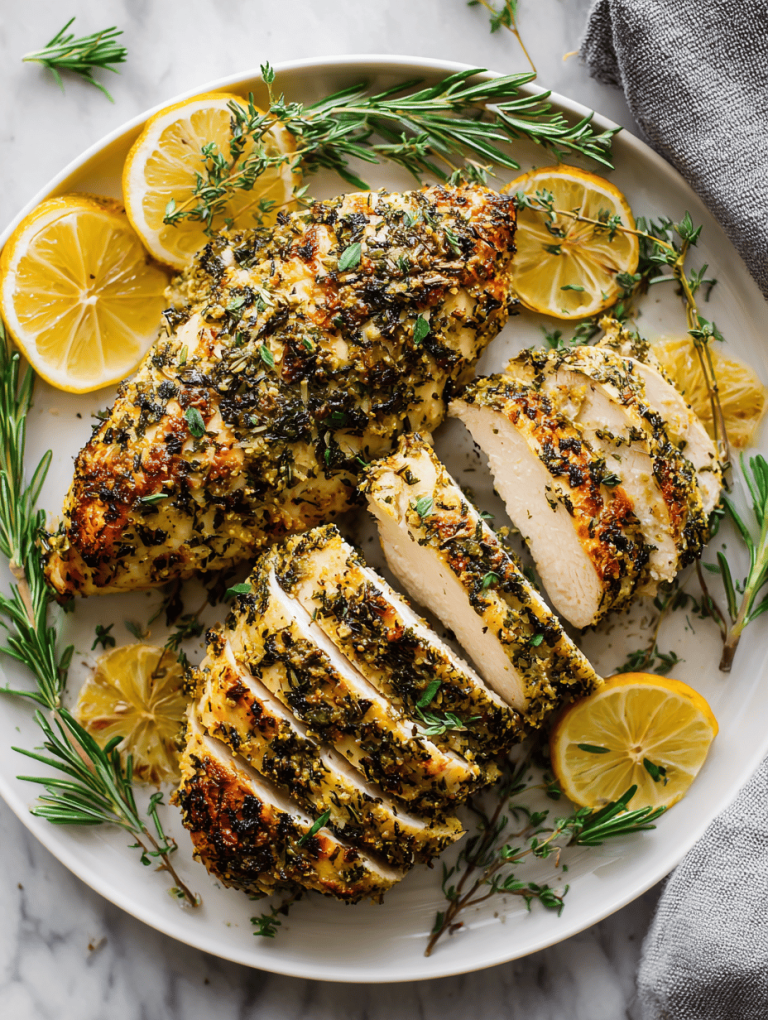
    Chicken breasts are a blank canvas, but they can also be tricky—dry if overcooked, bland if under-seasoned. I like to cook them with a smoky, herbaceous crust that adds depth and a hint of nostalgia. This method is about patience and respecting the meat’s natural juices.

    Why I Keep Returning to This Method

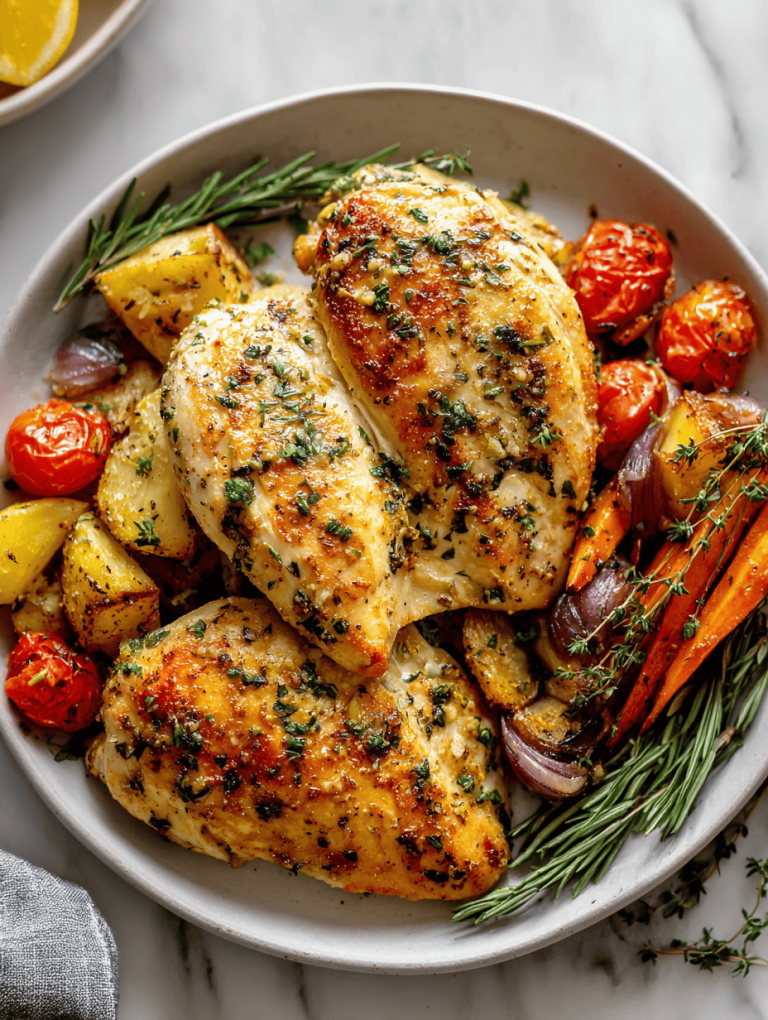
    It’s straightforward but yields a complex, satisfying dish. The crispy skin, smoky aroma, and juicy interior remind me that good things come from patience and attention. It’s versatile enough to pair with anything—salads, grains, or roasted vegetables—and always feels reliable when I want a comforting, honest meal.

    What’s in the Pantry and How It Shapes Your Chicken

    • Chicken breast: Lean, tender, best cooked quickly to stay moist.
    • Salt and pepper: Basic but crucial for flavor—don’t skip.
    • Smoked paprika: Adds a smoky depth that elevates the simple meat.
    • Olive oil: High-smoke point, helps get that crisp skin.
    • Fresh herbs (thyme, parsley): Brightens the dish, adds freshness.
    • Lemon (optional): A quick squeeze brightens the flavors—think citrus glow.

    Tools of the Trade for a Perfect Chicken

    • Cast-iron skillet: Provides even heat and a great sear.
    • Meat thermometer: Ensures accurate doneness.
    • Tongs: Helps flip and handle the chicken without piercing.
    • Paper towels: Drying the chicken for crisp skin.

    Cooking it through without drying it out takes patience and a keen eye for heat.

    Step 1: Start with a thick chicken breast, about 200 grams. Score the skin side lightly to help render fat.

    Step 2: Pat dry with paper towels, then season generously with salt, pepper, and a pinch of smoked paprika.

    Step 3: Heat a cast-iron skillet over medium-high, about 200°C (390°F). When hot, add a splash of oil and lay the chicken skin-side down.

    Step 4: Cook for 8-10 minutes until the skin is golden and crisp, pressing down occasionally for even contact.

    Step 5: Flip the chicken, lower heat to medium (about 160°C/320°F), and cook for another 8 minutes.

    Step 6: Check for doneness: the juices should run clear, and the internal temperature should hit 75°C (165°F).

    Step 7: Remove from pan, let rest for 5 minutes. Resting keeps the juices in instead of running out.

    Step 8: Serve sliced with a drizzle of the pan juices and a sprinkle of fresh herbs.

    Keep these in mind to nail that perfect chicken.

    • Skin should be golden and crisp, not pale or soggy.
    • Internal temperature must reach 75°C (165°F), no guessing.
    • Juices should run clear when pierced, not pink or cloudy.
    • Meat should be firm but not rubbery—press gently to check.

    Avoid These Common Chicken Pitfalls

    • Chicken skin turns soggy and rubbery.? Pat the chicken dry to prevent steaming, not frying.
    • Overcooked, dry chicken.? Lower heat after searing to finish cooking gently.
    • Guessing when the chicken is done.? Use a thermometer for precision.
    • Juices run out, leaving it dry.? Rest the meat before slicing.

    Herb-Crusted Pan-Seared Chicken Breast

    This dish features chicken breasts cooked with a smoky, herbaceous crust that provides a crispy exterior and juicy interior. The method involves searing in a cast-iron skillet and finishing with gentle heat to preserve moisture, resulting in a visually appealing, tender piece of meat with golden skin. Bright herbs and optional lemon brighten the flavors, making it versatile for any meal.
    Prep Time 10 minutes
    Cook Time 20 minutes
    Total Time 30 minutes
    Servings: 2
    Course: Main Course
    Cuisine: Modern home-style
    Calories: 350

    Ingredients
      

    • 2 pieces chicken breasts preferably thick and with skin
    • 1 teaspoon salt
    • 1/2 teaspoon black pepper
    • 1/2 teaspoon smoked paprika adds smoky depth
    • 1 tablespoon olive oil high-smoke point
    • 2 tablespoons fresh herbs chopped thyme and parsley
    • 1 lemon lemon optional, for brightening

    Equipment

    • Cast iron skillet
    • Meat thermometer
    • Tongs
    • Paper towels

    Method
     

    1. Pat the chicken breasts dry thoroughly with paper towels to ensure crisp skin.
    2. Mix together the salt, pepper, and smoked paprika in a small bowl, then generously season both sides of each chicken breast with the mixture.
    3. Heat the cast-iron skillet over medium-high heat until it’s hot and slightly shimmering, about 2-3 minutes.
    4. Add a splash of olive oil to the skillet, swirling to coat the bottom evenly.
    5. Place the chicken breasts skin-side down in the skillet, pressing lightly with tongs to ensure contact, and listen for a sizzle.
    6. Cook the chicken for 8-10 minutes until the skin is golden brown and crispy, adjusting the heat if necessary to prevent burning.
    7. Flip the chicken breasts carefully using tongs, then reduce the heat to medium and cook for another 8 minutes.
    8. Use a meat thermometer to check that the internal temperature reaches 75°C (165°F); the juices should run clear when pierced.
    9. Remove the chicken from the skillet and let it rest on a plate for 5 minutes, tented loosely with foil if desired.
    10. Squeeze fresh lemon over the rested chicken and sprinkle with chopped herbs for added brightness and flavor.
    11. Slice the chicken if desired, then serve immediately with pan juices drizzled over the top for extra flavor.
    This recipe isn’t about fuss; it’s about coaxing flavor out of simple ingredients. The crispy skin, smoky aroma, and juicy meat come together in a way that feels honest and satisfying. It’s perfect for a weeknight dinner that’s quick but feels a little special. Play around with herbs or a squeeze of lemon to make it your own.

  • quick chicken breast recipes

    quick chicken breast recipes

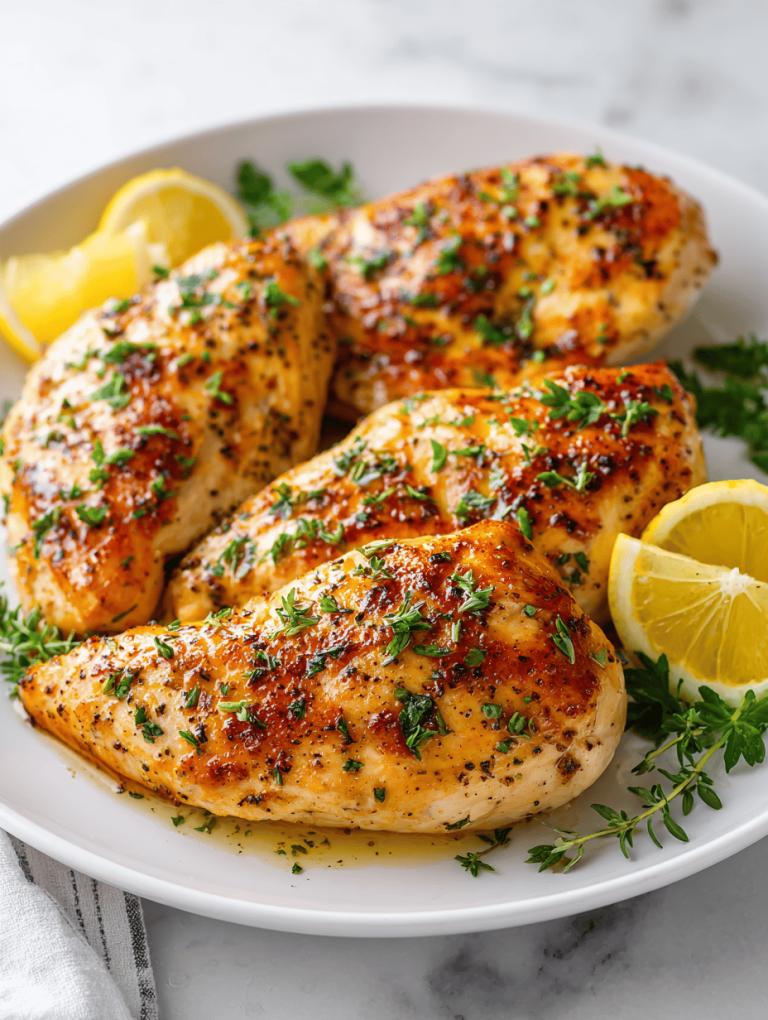
    Chicken breasts are often dismissed as boring, but with a few tweaks, they can be transformed into a quick, satisfying meal. The secret is in the sear and proper rest—simple, honest, and forgiving. This recipe sidesteps the usual dry chicken trap by focusing on heat control and timing.

    Why Keep Coming Back to This Recipe

    It’s simple, forgiving, and always reliable. The quick sear locks in juices, creating a tender bite every time. Plus, it’s versatile—serve with salads, grains, or veggies. The process feels satisfying, knowing you can produce restaurant-quality chicken in under 20 minutes, no fuss, no stress.

    Ingredients & Their Role in Juicy Chicken

    • Chicken breasts: Lean, tender meat that benefits from quick, high-heat cooking to stay moist.
    • Salt & pepper: Basic seasoning that enhances natural flavor—don’t skimp.
    • Smoked paprika: Adds a smoky, slightly sweet depth—skip if you prefer pure chicken flavor.
    • Olive oil: Helps develop that golden crust and prevents sticking.
    • Lemon (optional): Brightens up the flavor—squeeze over just before serving.
    • Garlic powder (optional): A subtle savory note—can be swapped for fresh garlic.
    • Herbs (thyme, rosemary): Fresh or dried—adds aromatic layers, especially during resting.

    Tools You Need for Perfect Chicken Breasts

    • Cast iron skillet: Provides even heat and a good sear.
    • Meat thermometer: Ensures precise doneness.
    • Tongs: Handles chicken without piercing, keeping juices in.
    • Paper towels: Drying chicken for crispiness.

    Step-by-Step: Mastering Quick Chicken Breast

    Step 1: Start with a good hot pan—medium-high heat, around 200°C (390°F).

    Step 2: Pat the chicken dry. Season generously with salt, pepper, and a pinch of smoked paprika.

    Step 3: Place the chicken in the pan—lay it away from you to avoid splatters. Cook for 5-7 minutes without moving.

    Step 4: Flip once the edges turn golden and release easily—look for a slight caramelization.

    Step 5: Reduce heat to medium, cover loosely, and cook another 5 minutes, or until the internal temp hits 75°C (165°F).

    Step 6: Remove from heat, rest for 5 minutes—juices redistribute, keeping meat moist.

    Step 7: Slice against the grain, serve immediately, and enjoy the sizzle and aroma.

    Cooking Checkpoints & Tips for Success

    • Chicken should be opaque and firm but not rubbery.
    • Look for a golden crust that’s not burnt, around 7 minutes per side.
    • Use a digital thermometer—75°C (165°F) inside is perfect.
    • The juices should run clear when you pierce the thickest part.

    Common Mistakes & How to Fix Them

    • Overcooking or high heat.? If chicken turns rubbery, lower heat and cook longer with lid on.
    • Not using a thermometer.? If chicken is underdone, give it a few extra minutes on a lower temp.
    • Insufficient searing.? If the crust isn’t crispy, bump the heat up for the last minute.
    • Cutting into chicken too early.? If juices run pink, cook a bit longer to reach safe temp.

    Perfect Searing Chicken Breasts

    This recipe transforms simple chicken breasts into tender, juicy slices with a beautifully caramelized crust. Using high heat and precise timing, the chicken is seared to golden perfection and rested to lock in moisture, resulting in a versatile and satisfying main dish with a crisp exterior and moist interior.
    Prep Time 5 minutes
    Cook Time 15 minutes
    Total Time 20 minutes
    Servings: 4
    Course: Main Course
    Cuisine: International
    Calories: 250

    Ingredients
      

    • 4 pieces chicken breasts boneless, skinless
    • 1 teaspoon salt
    • 1/2 teaspoon black pepper
    • 1/2 teaspoon smoked paprika
    • 1 tablespoon olive oil for searing
    • 1 lemon lemon (optional) for squeezing over before serving
    • 1/2 teaspoon garlic powder optional
    • a few sprigs fresh herbs (thyme, rosemary) for resting

    Equipment

    • Cast iron skillet
    • Meat thermometer
    • Tongs
    • Paper towels

    Method
     

    1. Pat the chicken breasts dry with paper towels to ensure a good sear and season generously with salt, pepper, smoked paprika, and garlic powder on both sides.
    2. Heat the cast iron skillet over medium-high heat until it’s hot and starts to shimmer, about 2-3 minutes, with a faint smell of heating oil.
    3. Add the olive oil to the pan, swirling to coat the surface evenly, and listen for a gentle sizzle as the oil heats up.
    4. Place the chicken breasts in the pan, laying them away from you to avoid splashes, and let them cook undisturbed for 5-7 minutes until the edges turn golden and release easily from the pan.
    5. Flip each chicken breast using tongs, aiming for a deep golden brown crust, and cook for another 5 minutes on the second side, adjusting the heat if necessary.
    6. Insert a meat thermometer into the thickest part of each breast; once it reads 75°C (165°F), remove the chicken from the pan.
    7. Transfer the chicken to a plate, sprinkle with fresh herbs if using, and cover loosely with foil to rest for 5 minutes, allowing juices to redistribute.
    8. Squeeze fresh lemon over the rested chicken for a bright finish, then slice against the grain to serve.

    Notes

    Ensure not to overcook to keep the chicken tender and juicy. Resting is key to retaining moisture.
    This recipe is all about simplicity and patience—getting that perfect sear without overcooking. Once you nail the timing and heat, chicken breasts become tender, juicy, and flavorful without fuss. Play around with herbs or a squeeze of lemon for a fresh twist. Keep it handy for busy nights or last-minute guests—those slices, with their smoky edges and juicy core, will never disappoint.

  • stuffed chicken breast recipes

    stuffed chicken breast recipes

    Stuffed chicken breasts are a quiet hero for weeknights—simple, satisfying, and endlessly adaptable. I’ve always loved the thrill of stuffing, feeling like I’m creating a little surprise inside each piece. It’s a chance to get playful with flavors and textures, making a humble chicken something special. Plus, the smell of searing meat mixed with herbs and cheese is hard to beat.

    Why I Keep Coming Back to This

    It’s a straightforward dish that always impresses. The combination of savory filling and crispy exterior is endlessly customizable. Plus, it’s forgiving enough to experiment with different cheeses, herbs, or even a spicy kick. It makes me feel like a pro, even on my busiest nights.

    Breaking Down the Stuffing

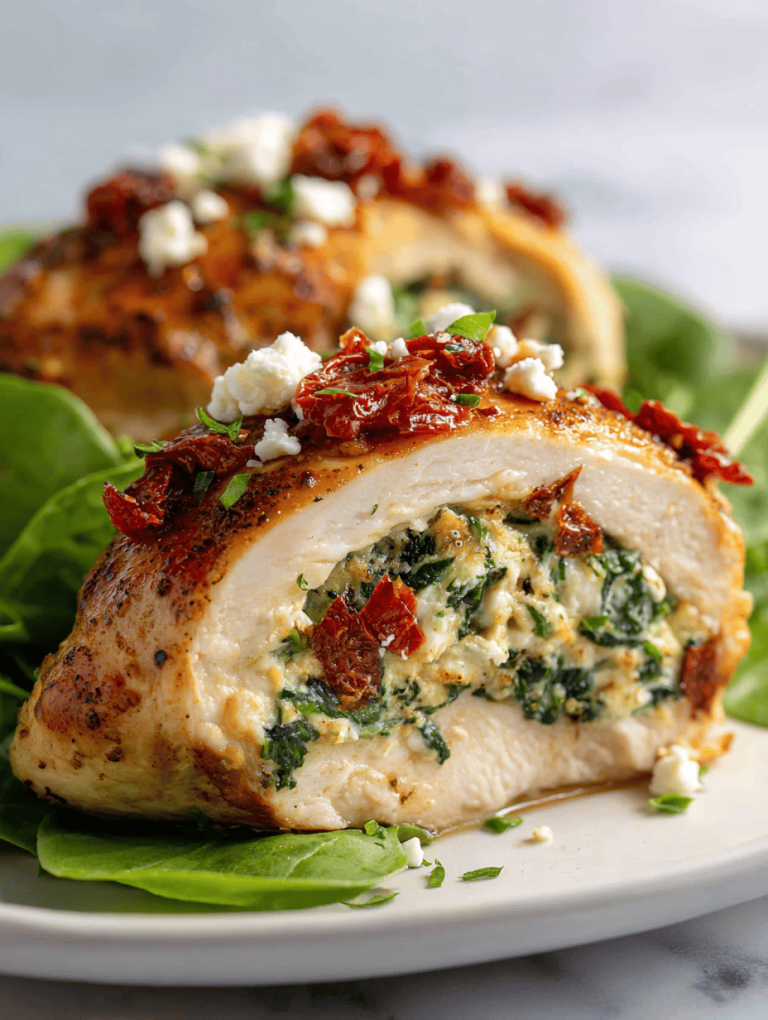
    • Spinach: Fresh spinach wilts quickly, adding a bright, slightly bitter contrast.
    • Sun-dried tomatoes: Chewy, tangy, and packed with umami—rehydrate if they seem too dry.
    • Feta cheese: Salty and creamy, it melts into the filling, making every bite richer.
    • Garlic: A quick sauté releases its pungency and aroma, essential for flavor.
    • Olive oil: Good-quality oil helps sear the chicken and adds a fruity note.
    • Lemon zest: Brightens the filling with a fresh, citrusy zing, cutting through richness.
    • Fresh herbs: Basil or parsley add a fragrant, herbal lift—use what you love.

    Tools & Equipment You’ll Need

    • Sharp knife: To slice into the chicken without losing control.
    • Serrated spoon or small spatula: To stuff the chicken evenly.
    • Oven-safe skillet: To sear and bake in one dish.
    • Kitchen twine or toothpicks: To secure the stuffed chicken.
    • Meat thermometer: To check doneness precisely.

    Step-by-Step to Juicy Stuffed Chicken Breasts

    Step 1: Preheat your oven to 200°C (390°F).

    Step 2: Slice into the thick side of each chicken breast to create a pocket, without cutting all the way through.

    Step 3: Mix your stuffing—think spinach, sun-dried tomatoes, and feta—then stuff each breast generously.

    Step 4: Secure the opening with toothpicks or kitchen twine, so the filling stays put during cooking.

    Step 5: Heat a skillet over medium-high heat. Sear the chicken, skin-side down first, until golden, about 3-4 minutes.

    Step 6: Flip and sear the other side for another 3 minutes.

    Step 7: Transfer the skillet to the oven and bake for 15-20 minutes, until the chicken is cooked through.

    Step 8: Rest the chicken for 5 minutes before removing toothpicks and slicing.

    Cooking Checkpoints & What to Watch For

    • Chicken should reach an internal temperature of 75°C (165°F).
    • The exterior should be golden brown and slightly crisp.
    • Filling should be hot and slightly bubbling when sliced.

    Common Mistakes & How to Fix Them

    • Rushing the slicing can tear the meat.? Use a sharp knife to avoid shredding the chicken.
    • Overstuffed breasts won’t stay closed.? Don’t overstuff—leave room for the chicken to close.
    • Too hot or too cold can ruin texture.? Check oven temperature with an oven thermometer.
    • Cutting immediately causes juice loss.? Let the chicken rest before slicing.

    Stuffed Chicken Breasts with Spinach, Sun-Dried Tomatoes, and Feta

    This dish features tender chicken breasts carefully sliced to create a pocket, filled with a flavorful mixture of wilted spinach, tangy sun-dried tomatoes, and creamy feta cheese. The stuffed breasts are seared until golden and crispy on the outside, then baked to perfection, resulting in a juicy, cheesy interior with a beautifully browned crust.
    Prep Time 15 minutes
    Cook Time 30 minutes
    Total Time 45 minutes
    Servings: 4
    Course: Main Course
    Cuisine: International
    Calories: 350

    Ingredients
      

    • 4 pieces chicken breasts boneless, skinless
    • 2 cups fresh spinach roughly chopped
    • 1/2 cup sun-dried tomatoes rehydrated if dry
    • 1/2 cup feta cheese crumbled
    • 3 cloves garlic minced
    • 1 tablespoon olive oil good quality
    • 1 teaspoon lemon zest freshly grated
    • 2 tablespoons fresh herbs basil or parsley, chopped
    • to taste salt and pepper

    Equipment

    • Sharp knife
    • Serrated spoon or small spatula
    • Oven-safe skillet
    • Kitchen twine or toothpicks
    • Meat thermometer

    Method
     

    1. Preheat your oven to 200°C (390°F). Place a rack inside a baking sheet or use an oven-safe skillet.
    2. Using a sharp knife, slice into the thick side of each chicken breast to create a pocket, being careful not to cut all the way through.
    3. Heat a tablespoon of olive oil in a skillet over medium heat. Add minced garlic and cook until fragrant, about 30 seconds, until it releases a pleasant aroma.
    4. Add chopped spinach to the skillet, stirring until wilted and bright green, about 2 minutes. Remove from heat and let cool slightly.
    5. Chop sun-dried tomatoes into small pieces and mix them into the spinach along with crumbled feta, lemon zest, and chopped herbs. Season with salt and pepper to taste. Stir everything together until well combined.
    6. Using a small spoon or spatula, generously stuff each chicken pocket with the spinach mixture, pressing gently to pack the filling inside.
    7. Secure each stuffed chicken breast with kitchen twine or toothpicks to keep the filling inside during cooking.
    8. Heat the same skillet over medium-high heat and sear the stuffed chicken breasts, skin-side down if applicable, until golden brown and crispy, about 3-4 minutes. Flip and sear the other side for another 3 minutes.
    9. Transfer the skillet to the preheated oven and bake for 15-20 minutes, or until the internal temperature reaches 75°C (165°F), and the chicken is cooked through.
    10. Remove the skillet from the oven, cover loosely with foil, and let the chicken rest for 5 minutes to retain juices.
    11. Carefully remove toothpicks or twine, then slice the chicken breasts to reveal the colorful, cheesy filling. Serve hot and enjoy the juicy, flavorful bites.
    Once rested, slice and serve with a simple salad or roasted vegetables. The filling should be oozing slightly, and the chicken should be moist and tender. This dish is forgiving and flexible—swap ingredients based on what you have. The real trick is not overcooking, so keep an eye on that internal temp.

  • juicy chicken breast recipes

    juicy chicken breast recipes

    Chicken breasts often get a bad rap for being dry, but I’ve found a simple trick that makes all the difference. It’s not about fancy marinades or lengthy brines, but a straightforward technique that keeps the meat moist and flavorful. This method is perfect for busy nights or when you want reliable results without fuss.

    Why I keep coming back to this chicken method

    This technique always delivers tender, juicy results that feel like a small victory. It’s reliable, quick, and flexible—perfect for weeknights or lazy weekends. The smell of searing chicken, the crackle of the crust, and the juicy bite keep me returning to this simple process again and again.

    Breaking down the ingredients for juicy chicken

    • Chicken breasts: Lean, mild-flavored, but prone to drying out if not cooked carefully.
    • Salt and pepper: Basic seasoning that enhances natural flavors and helps retain moisture.
    • Herbs and spices: Optional but add depth—think thyme, paprika, or garlic powder.
    • Oil or fat: A small amount of oil helps achieve a golden crust and prevents sticking.
    • Lemon or citrus zest (optional): Brightens the flavor with a hint of zing, perfect for finishing.

    Tools and equipment for juicy chicken

    • Sharp knife: For trimming and slicing the chicken evenly.
    • Meat mallet or heavy pan: To pound the chicken to an even thickness, helping it cook uniformly.
    • Skillet or frying pan: To sear the chicken and develop a flavorful crust.
    • Food thermometer: To check the internal temperature and ensure doneness.
    • Tongs: To flip and handle the chicken safely during cooking.

    Step-by-step guide to perfectly juicy chicken breasts

    Step 1: Start with a sharp knife and a clean cutting board. Pat the chicken breasts dry with paper towels.

    Step 2: Use a meat mallet or the bottom of a heavy pan to gently pound the thick end of the chicken to even thickness, about 1.5 cm (0.6 inches).

    Step 3: Season both sides generously with salt, pepper, and your favorite herbs.

    Step 4: Preheat your skillet over medium-high heat until shimmering. Add a splash of oil, just enough to coat the bottom.

    Step 5: Place the chicken breasts in the pan, smooth side down. Cook for 4-5 minutes until golden brown.

    Step 6: Flip the chicken and cook for another 4-5 minutes. Reduce heat slightly if the outside browns too quickly.

    Step 7: Use a meat thermometer to check the internal temperature reaches 74°C (165°F).

    Step 8: Remove the chicken from the pan and let it rest for 5 minutes under foil.

    Step 9: Slice against the grain and serve immediately, juices still glistening.

    Cooking checkpoints and tips to keep in mind

    • Check the chicken’s color: it should be golden and slightly crisp.
    • Use a food thermometer: 74°C (165°F) is the safe internal temp.
    • Listen for a gentle crackle: it means the chicken is searing properly.
    • Rest the meat for at least 5 minutes before slicing for maximum juiciness.

    Common mistakes and how to fix them

    • Cooking without checking internal temperature.? Use a meat thermometer to avoid overcooking or undercooking.
    • Cutting into hot chicken immediately after cooking.? Let the chicken rest before slicing, or juices will escape.
    • Uneven cooking and dry edges.? Pound the thick end of the breast to even thickness.
    • Steaming the chicken instead of searing.? Don’t overcrowd the pan; cook in batches if needed.

    Juicy Pan-Seared Chicken Breasts

    This recipe features chicken breasts pounded to an even thickness and seasoned generously, then seared in a hot skillet until golden and crispy. The technique ensures moist, tender meat with a flavorful crust, finished with a brief resting period to lock in juices and enhance final texture.
    Prep Time 10 minutes
    Cook Time 15 minutes
    Total Time 25 minutes
    Servings: 4
    Course: Main Course
    Cuisine: American
    Calories: 220

    Ingredients
      

    • 4 pieces chicken breasts boneless, skinless
    • 1 teaspoon salt or to taste
    • 1/2 teaspoon black pepper freshly ground
    • 1 teaspoon herbs/spices optional, such as thyme or paprika
    • 1 tablespoon oil vegetable or olive oil
    • 1 teaspoon lemon zest optional, for brightness

    Equipment

    • Sharp knife
    • Meat mallet or heavy pan
    • Skillet or frying pan
    • Food thermometer
    • Tongs

    Method
     

    1. Pat the chicken breasts dry with paper towels to remove excess moisture.
    2. Use a meat mallet or heavy pan to gently pound the thick end of each breast to an even thickness of about 1.5 cm (0.6 inches). This helps them cook uniformly.
    3. Sprinkle salt, pepper, and your favorite herbs or spices generously over both sides of each chicken breast for flavor and moisture retention.
    4. Preheat your skillet over medium-high heat until it’s shimmering and hot. Add a tablespoon of oil and swirl to coat the bottom.
    5. Place the chicken breasts into the hot skillet, smooth side down, and hear a satisfying sizzle. Cook for 4-5 minutes until the underside is golden brown and crispy.
    6. Flip the chicken using tongs and cook for another 4-5 minutes, reducing the heat slightly if the crust browns too quickly, until the other side is golden and cooked through.
    7. Check the internal temperature with a meat thermometer; it should read 74°C (165°F). Once reached, remove the chicken from the pan.
    8. Let the chicken rest on a plate or cutting board for about 5 minutes. This allows the juices to redistribute, keeping the meat moist and tender.
    9. If desired, sprinkle with lemon zest for a bright, fresh finish, and then slice against the grain to serve.
    This method isn’t about marinating for hours or complex sauces. It’s about a simple, honest approach that yields tender, moist chicken every time. Once you’ve got the hang of pounding and pan-searing, it becomes a quick weeknight staple. Play with herbs, spices, and sauces to make it yours, but never skip the resting—it’s the secret to keeping that juice locked in. You’ll find yourself returning to this technique, especially when you crave something reliably good.

  • air fryer chicken breast recipes

    air fryer chicken breast recipes

    I’ve always found chicken breasts tricky—dry, bland, and kind of a gamble. But the air fryer changed that for me. Now, I get a juicy, well-seasoned piece in under 20 minutes without heating up the oven or dealing with messy pans. It’s a simple fix that feels like a small victory every time.

    Why I Keep Returning to This Simple Chicken

    It’s reliable, quick, and endlessly customizable. The air fryer’s magic is in how it crisps outside while keeping the inside juicy—no oven heat, no fuss. It’s become my go-to for a satisfying weeknight protein, especially when I want something healthy but flavorful with minimal effort. Plus, the leftovers reheat beautifully, making it a true kitchen staple.

    What’s in the Chicken and Why

    • Chicken breasts: Lean and tender, the star of the show, easily adaptable with different seasonings.
    • Olive oil: Helps seasonings stick and promotes a golden crust—use sparingly but don’t skip.
    • Salt and pepper: Fundamental—brings out flavor and helps the skin crisp.
    • Paprika or smoked paprika: Adds a smoky depth and beautiful color—skip if you prefer milder.
    • Garlic powder: For warmth and savory undertones—use fresh garlic for a punch, but powder works well.
    • Lemon zest or juice: Brightens the flavor and counteracts richness—don’t forget to squeeze fresh.

    Tools of the Trade for Air Fryer Chicken

    • Air fryer: To cook the chicken evenly without extra oil.
    • Paper towels: To dry the chicken, helping achieve a crispy crust.
    • Meat thermometer: To ensure the chicken reaches the safe internal temperature.
    • Tongs: To flip and handle the chicken without piercing it.

    Simple Steps for Perfect Juicy Chicken in Your Air Fryer

    Step 1: Preheat your air fryer to 200°C (390°F).

    Step 2: Pat chicken breasts dry with paper towels—moisture is the enemy of crispness.

    Step 3: Rub the breasts with olive oil, then season generously with salt, pepper, and your favorite spices.

    Step 4: Place the chicken breasts in the air fryer basket in a single layer, skin-side down if applicable.

    Step 5: Cook for 10 minutes, then flip and cook another 8-10 minutes until the internal temperature hits 75°C (165°F).

    Step 6: Check for a golden-brown crust and a firm but juicy texture. If not quite there, give it a few more minutes.

    Step 7: Rest the chicken for 5 minutes before slicing—juices rediscover their balance and stay in the meat.

    Step 8: Slice against the grain, serve with a squeeze of lemon or a fresh herb topping, and enjoy that tender bite.

    Crispy, Juicy, and Done: What to Watch For

    • Golden brown crust with a slight crackle when pressed.
    • Internal temperature reaching 75°C (165°F)—use a reliable meat thermometer.
    • Juices run clear when you slice into the thickest part of the breast.

    Avoid These Common Chicken Air Fryer Mistakes

    • Cooking too long or at too high a temperature.? If chicken is dry, don’t overcook—use a thermometer to check doneness.
    • Leaving moisture on the surface before air frying.? Pat chicken dry well, or skin won’t crisp up.
    • Skipping oil, resulting in a dull crust.? Add a little oil for extra crispness.
    • Cutting into it immediately, losing juices.? Remember to rest your chicken.

    Air Fryer Juicy Chicken Breast

    This dish features tender, juicy chicken breasts cooked in an air fryer, resulting in a crispy exterior and moist interior. The process involves seasoning, drying, and air frying to achieve a golden crust and flavorful bite with minimal effort and quick turnaround time.
    Prep Time 10 minutes
    Cook Time 20 minutes
    Total Time 30 minutes
    Servings: 4
    Course: Main Course
    Cuisine: American
    Calories: 220

    Ingredients
      

    • 4 pieces chicken breasts preferably skinless and boneless
    • 1 tablespoon olive oil helps seasonings stick and promotes crispness
    • 1 teaspoon salt
    • 1/2 teaspoon black pepper
    • 1 teaspoon paprika smoked paprika adds smoky flavor and color
    • 1/2 teaspoon garlic powder
    • 1 teaspoon lemon zest or juice for brightness

    Equipment

    • Air fryer
    • Paper towels
    • Meat thermometer
    • Tongs

    Method
     

    1. Preheat your air fryer to 200°C (390°F) and prepare your chicken breasts by patting them dry with paper towels until no moisture remains.
    2. In a small bowl, mix together salt, black pepper, paprika, garlic powder, and lemon zest to create a flavorful seasoning blend.
    3. Brush each chicken breast with a light coat of olive oil, then generously rub the spice mixture all over both sides of the chicken, ensuring an even coating.
    4. Place the seasoned chicken breasts in the air fryer basket in a single layer, making sure they are not overlapping for optimal air circulation.
    5. Cook the chicken for about 10 minutes, then flip each piece using tongs to ensure even browning on both sides.
    6. Continue cooking for another 8-10 minutes, or until a meat thermometer inserted into the thickest part reads 75°C (165°F) and the exterior is golden and crispy.
    7. Once cooked, remove the chicken breasts from the air fryer and let them rest on a cutting board for 5 minutes, allowing the juices to redistribute.
    8. Slice the chicken against the grain, then serve immediately with a squeeze of fresh lemon for added brightness and flavor.

    Notes

    For extra crispness, you can spray the chicken lightly with cooking spray before air frying. Adjust cooking time based on the thickness of the breasts and your air fryer model.
    This quick air fryer approach proves that you don’t need a grill or oven to get a satisfying, moist chicken. It’s a no-fuss method, perfect for busy weeknights or when you’re craving something straightforward but flavorful. Personalize the seasoning—paprika, garlic, chili—whatever makes your taste buds sing. Keep experimenting with cooking times to match your specific model and chicken size.

  • grilled chicken breast recipes

    grilled chicken breast recipes

    Cooking chicken breast can be tricky, especially if you want it tender and flavorful without drying out. I’ve found that a simple marinade with fresh herbs transforms this lean cut into something special. It’s about coaxing out the natural sweetness and adding a fragrant, smoky layer.

    Why I keep coming back to this grilled chicken

    It’s straightforward but endlessly adaptable. The herby aroma and smoky char make every meal feel special. Plus, it’s quick enough for weeknights and impressive enough for friends.

    Breaking down the ingredients for herb-infused grilled chicken

    • Chicken breasts:: Lean, tender, quick-cooking cut that benefits from marinade.
    • Olive oil:: Adds moisture and helps herbs stick; use good quality.
    • Lemon juice:: Brightens flavor with a zing; substitute lime if needed.
    • Garlic:: Gives a savory punch; fresh minced is best.
    • Fresh herbs:: Parsley, thyme, rosemary—go wild, fresh herbs make all the difference.
    • Salt and pepper:: Basic but essential for seasoning.
    • Optional spices:: Paprika or chili flakes can add a smoky or spicy kick.

    Tools of the trade for grilling chicken

    • Grill or barbecue: Provides direct heat and smoky flavor.
    • Meat thermometer: Ensures perfect doneness without overcooking.
    • Basting brush: Helps apply marinade or oil evenly.
    • Tongs: Handles the chicken gently on hot grill.
    • Sharp knife: Slices chicken precisely after resting.

    Step-by-step to Perfect Herb-Infused Grilled Chicken

    Step 1: Start with a clean cutting board and sharp knife. Pat chicken breasts dry with paper towels.

    Step 2: Mix a marinade of olive oil, lemon juice, minced garlic, chopped herbs, salt, and pepper.

    Step 3: Poke small holes in the chicken with a fork to help the marinade seep in. Coat evenly.

    Step 4: Let the chicken marinate for at least 30 minutes, preferably a few hours, in the fridge.

    Step 5: Preheat your grill to medium-high heat, about 200°C (390°F).

    Step 6: Oil the grill grates lightly with a paper towel dipped in oil to prevent sticking.

    Step 7: Place chicken breasts on the grill. Cook for 6-8 minutes on each side.

    Step 8: Check for grill marks and a slight char. The chicken should be firm but not hard.

    Step 9: Use a meat thermometer to check the internal temperature; aim for 74°C (165°F).

    Step 10: Remove from grill and let rest for 5 minutes to retain juices.

    Step 11: Slice and serve with a squeeze of lemon or a sprinkle of fresh herbs.

    Cooking checkpoints for juicy, flavorful chicken

    • Look for clear grill marks and a slight char on the surface.
    • Internal temp reaches 74°C (165°F) for safe, juicy chicken.
    • The meat should feel firm but give slightly when pressed.
    • A fragrant aroma of herbs and grilled meat should fill the air.

    Common grilling mistakes and how to fix them

    • Cooking blindly until juices run clear.? Use a meat thermometer to avoid overcooking.
    • Chicken sticking or tearing when flipped.? Oil the grill grates to prevent sticking.
    • Not marinating long enough, resulting in bland chicken.? Marinate longer for deeper flavor.
    • Cutting into hot chicken right off the grill.? Rest chicken for 5 minutes.

    Herb-Infused Grilled Chicken Breast

    This grilled chicken breast is marinated in a fragrant mixture of fresh herbs, lemon juice, garlic, and olive oil, then cooked over direct heat for a smoky, charred exterior. The result is tender, juicy meat with a vibrant herbal aroma and appealing grill marks, perfect for a quick weeknight dinner or a flavorful centerpiece for any meal.
    Prep Time 40 minutes
    Cook Time 15 minutes
    Total Time 55 minutes
    Servings: 4
    Course: Main Course
    Cuisine: Grilled
    Calories: 210

    Ingredients
      

    • 4 pieces chicken breasts lean and tender
    • 3 tablespoons olive oil good quality
    • 2 tablespoons lemon juice freshly squeezed
    • 3 cloves garlic minced
    • 1/4 cup chopped parsley fresh
    • 2 teaspoons chopped thyme fresh
    • 1 teaspoon chopped rosemary fresh
    • to taste salt and pepper for seasoning
    • 1/2 teaspoon paprika optional

    Equipment

    • Grill or barbecue
    • Meat thermometer
    • Basting brush
    • Tongs
    • Sharp knife

    Method
     

    1. Pat the chicken breasts dry with paper towels and place them on a clean cutting board.
    2. Mix together olive oil, lemon juice, minced garlic, chopped parsley, thyme, rosemary, salt, pepper, and paprika to create a flavorful marinade.
    3. Using a fork, poke small holes in each chicken breast to help the marinade penetrate the meat.
    4. Coat each chicken breast evenly with the marinade, ensuring all sides are covered. Cover and refrigerate for at least 30 minutes, or up to a few hours for more flavor.
    5. Preheat your grill to medium-high heat, about 200°C (390°F), until hot and ready for grilling.
    6. Lightly oil the grill grates with a paper towel dipped in oil to prevent sticking and promote nice grill marks.
    7. Place the marinated chicken breasts on the grill, pressing them gently to ensure contact with the grates.
    8. Grill for about 6-8 minutes on each side, until the chicken develops golden grill marks and a slight char.
    9. Use a meat thermometer to check the internal temperature; it should reach 74°C (165°F) for safe, juicy chicken.
    10. Remove the chicken from the grill and let it rest for 5 minutes, allowing the juices to redistribute and keep the meat moist.
    11. Slice the chicken against the grain, garnish with extra herbs or a squeeze of lemon if desired, and serve hot.

    Notes

    For extra smoky flavor, toss some wood chips onto the grill. Marinating longer enhances the herb aroma, but even a quick 30-minute soak makes a noticeable difference.
    This grilled chicken recipe is a hit because it marries simplicity with a punch of fresh herbal flavor. The marinade tenderizes and flavors the meat deeply, making every bite juicy and vibrant. Feel free to adapt the herbs to whatever’s fresh or in your fridge—rosemary, thyme, or even cilantro work well. Once you master this, it’s your go-to for backyard dinners or quick weeknight meals.